
KRINAVI TRIP FIT
Score withheld
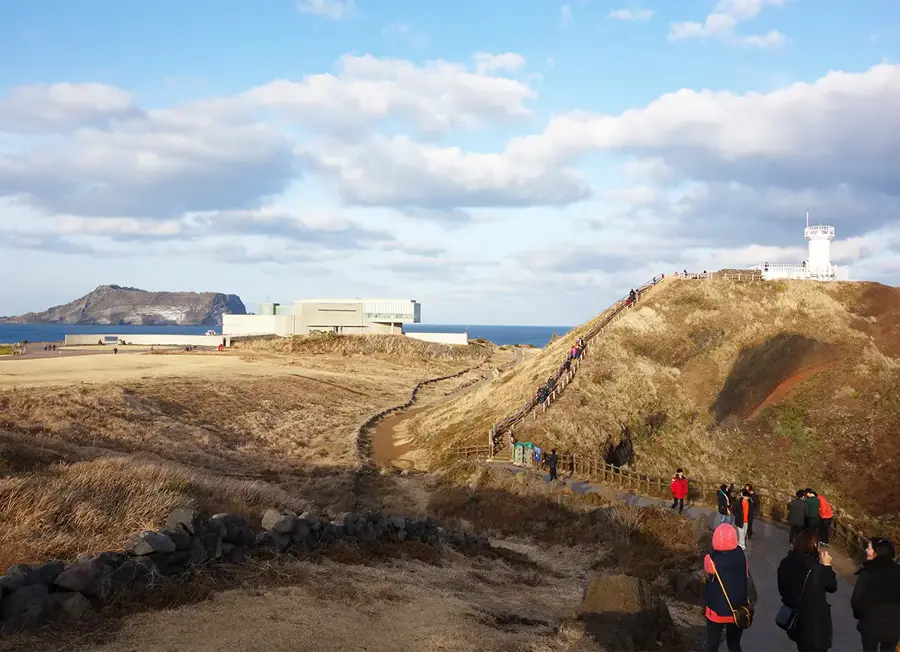
A three-night stay usually leaves two full days between arrival and departure. Change hotels only when the second base removes a confirmed transfer problem or creates a useful block of time. Related: arrival logistics · early-flight morning
Give the second hotel one clear job
- Late-arrival buffer: there is no confirmed late transport or car pick-up that gets you to the intended southern base, so night one stays in the north and the move happens in daylight.
- Two-day base: two full days run continuously in the east, south or southwest, so the new base serves two nights and a morning rather than one isolated sleep.
- Departure buffer: airline, rental-car or luggage logistics create a fixed early-morning constraint and a northern final night removes a real step.
- None of the above: stay put. Removing one check-out, luggage handoff and check-in is the most reliable time saving on a three-night trip.
Subtract the flight and transfer edges first
Treat arrival and departure as transfer windows. Baggage, car collection or return, airline check-in and hotel hours reduce the sightseeing time available. Related: late arrival
Late arrival: move south only if transport is confirmed
A north-side first night followed by two in the south can work if your arrival time and confirmed transport do not leave a reliable route to the southern hotel.
A late flight does not automatically require a night in Jeju City. Check the actual car pickup, bus and hotel check-in; go south directly if that route remains practical. Related: Jeju City
East Jeju: keep the port and next morning together
Use an east-side base when your usable days stay around Seongsan or an early ferry. A nearby hotel cannot remove sea-dependent sailing changes.
If both full days stay east, compare the transfer with keeping the same hotel: whether two nights in Seongsan are worth it

Move north before departure only to solve a real constraint
A northern final night helps only when it removes a confirmed morning step, such as a car return, shuttle or airline timing.
If the existing southern hotel leaves enough time for the airport route and car return, staying there avoids another checkout and repack. Related: early-flight timing
One night should connect two useful blocks
A one-night move needs a job on the following day, such as a late-arrival buffer before a full southern day. A hotel change for one sleep alone adds luggage work.
Check the actual handover window
Check each property’s checkout, earliest check-in, luggage storage and parking. An 11:00 checkout and 15:00 check-in create four hours between rooms; whether that disrupts the day depends on the route and luggage plan.
Before reserving two hotels, compare both addresses, room times, luggage storage, parking and cancellation conditions.
Without a car, raise the bar for switching hotels
Without a car, the second hotel adds luggage handling and another bus or taxi leg. Verify schedules, stops and the final walk for the actual travel date.
Choose transport before choosing the hotel move: whether to rent a car in Jeju · the Jeju bus-travel guide
Write the four sleep locations before booking
Write where you sleep on arrival, after each full day and before departure. For every move, state the confirmed constraint it removes or the useful time it creates.
Once the route is settled, compare the actual properties and room terms. Fewer check-ins can preserve time on a short trip.