
KRINAVI TRIP FIT
Score withheld
Jeju by bus works best when the day stays in one direction and leaves time for transfers, stop walks and the final return. A short trip becomes difficult when it tries to cover every district.
Choose the base before plotting routes
The base affects every bus day. Jeju City suits airport arrivals and north-side plans; Seogwipo suits repeated southern stops. Choose by the first and last destinations rather than a map midpoint.
For each day, mark its first and last stop, then compare Jeju City as a base · staying in Seogwipo · where to stay in Jeju against the route you expect to use.
Count the whole transfer
A route line is only part of the trip. Add the walk to the stop, wait, transfer, service interval and the final walk to the destination.
Leave a return buffer for meals, finding the correct stop and delays. Check the date-specific timetable, especially for evenings, holidays and transfer routes.
Keep flight days simple
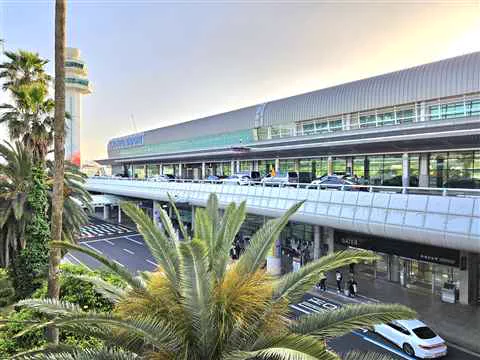
Treat arrival and departure as luggage transfers, not full sightseeing days. Use Jeju Airport to hotel planning to decide whether to store bags before going across the island.
For a stroller, mobility need or midday hotel break, compare the boarding and walking effort with whether a rental car solves enough friction. The itinerary can mix bus days with a car day if one area is difficult.
Keep a same-side rainy-day option
Rain affects exposed stops and the walk to a bus stop. Replace them with an indoor attraction or market on the same side using Jeju rainy-day alternative.
Clear weather still does not require extra stops. If the coast and a meal make a good day, keep the direct return instead of adding another transfer.
Match the route to trip length
On a three-day trip, protect arrival, one full outing and departure. Use three-day Jeju itinerary to test whether the hotel and route fit. With five days or more, you can split north and south or move hotels once; daily cross-island trips still cost time.
If east and west both appeal, explore one side by bus and save the other, or use a short rental for the harder day. See Jeju east-vs-west decision before choosing the direction.
Allow for walks and waiting
Count the whole transfer: walking, waiting, finding a bathroom, buying food and regrouping all use the day.
When two stops need an awkward transfer and leave little time on site, replace one with a market, meal or walk near the hotel. Finish near an easy return.
Save the return plan offline
Save the hotel address, Korean stop names and latest return offline. Keep a battery reserve for a missed connection or route change.
A transit app can find a connection; it cannot decide whether the outing still fits the weather and energy left. Recheck the Jeju base and whether one driving day would actually save meaningful time.
Keep one stop optional
Give each day one essential stop, one weather-dependent option and one extra you can drop without affecting the return.
Bus travel works when you choose fewer areas and leave enough time at each one.
If one place is difficult to reach without a car, make that a short rental day. Do not fill the rest of the schedule just because the day looks open.
Protect the return
Before dinner, check tomorrow’s first ride and today’s return. If several long transfers are required, remove a stop or change the base.
Use Jeju travel planning hub to choose the next Jeju base or itinerary decision.