
Pick a Seoul hotel area by the trip’s hardest repeated moments: where the first morning starts, where the latest night ends and whether anyone needs to return to the room during the day. A famous “central” area is not useful if it sends you across town every night.
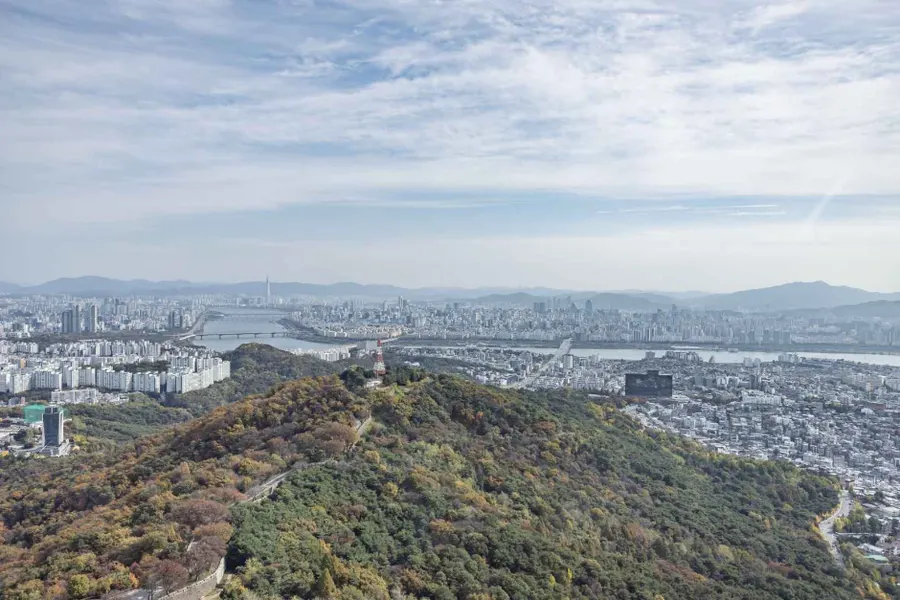
Start with the routes that repeat
Write down the first destination on the busiest day, the latest evening finish and the airport or rail departure. If two or more point in one direction, shortlist a hotel on that side before comparing room prices. One concert or museum visit is usually not enough to relocate the whole stay.
Choose the area by its job
Myeongdong gives a central base for mixed plans and repeated shopping-bag returns. It is useful when your days point in several directions or the group may split up and regroup; compare Lotte Hotel Seoul with The Westin Josun Seoul once the area is set.
Hongdae fits west-Seoul evenings, cafés and airport-rail access. Keep it on the list when those are regular parts of the stay, not just the arrival route; use the Hongdae–Myeongdong comparison if the two remain close.
Jongno shortens repeated mornings around palaces, Insadong and Anguk. AMID Hotel Seoul is a property to compare when that old-city route is the daily constraint.
Gangnam and Jamsil suit repeated southern plans, including appointments, COEX, concerts or events around Olympic Park. For Jamsil event nights, compare Sofitel Ambassador Seoul, Delight Hotel Jamsil and Seoul Olympic Parktel against the event exit and next morning, rather than using “south of the river” as one interchangeable area.
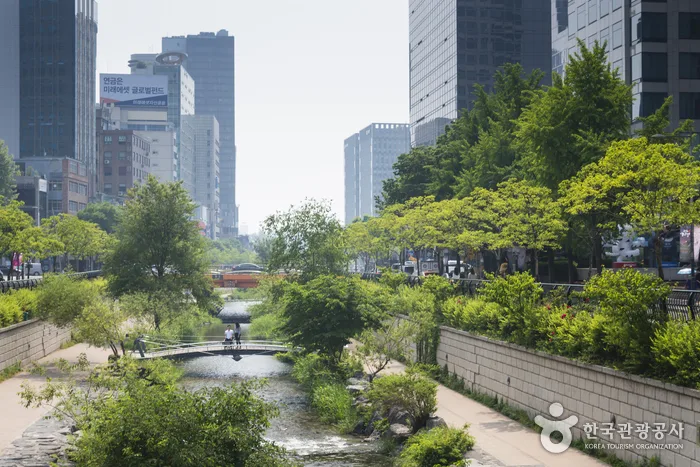
Let the room solve the group’s actual problem
With older relatives, check the hotel entrance, lift, slope and nighttime route. With children, a midday return may matter more than a short metro ride. Friends may need different bedtimes or room layouts; solo travellers often benefit from a predictable last-mile route. Confirm room capacity, beds, luggage space, check-in and cancellation for the exact booking.
Do not split a short stay without a route reason
Changing hotels costs a useful part of the day: checkout, bag storage, travel and waiting for the next room. For two or three nights, one base usually wins unless the trip clearly changes direction. Test the move with one Seoul hotel or two bases before booking both.
Once one or two areas remain, use the Seoul hotel shortlist to compare named properties. For a first visit, map the same route decisions onto the five-day Seoul itinerary rather than choosing by area reputation alone.