
KRINAVI TRIP FIT
KRINAVI Trip Fit
70/100Udo fits a day built around its coastal stops and Udobong. Allow for the passenger form, time ashore and the return sailing; the crossing is only one part of the trip.
- Time efficiency55/100
- Route fit75/100
- Planning flexibility75/100
- Weather resilience75/100
- Crowd control75/100
- Value for cost75/100
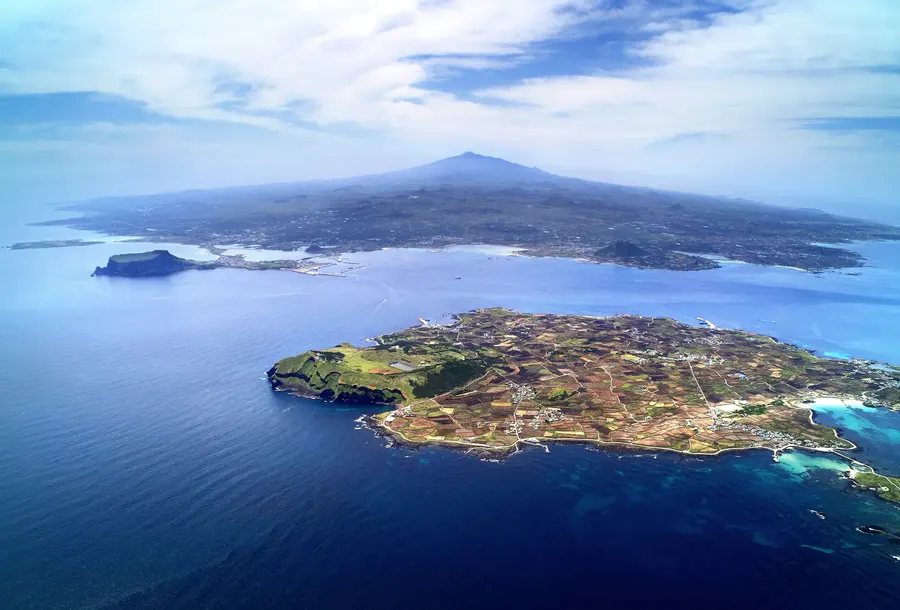
Udo is about 3.8 km long, with a 17 km circumference. Udobong, fishing villages and several different shores make the island more than a single stop beside Seongsan.
Udo needs a ferry plan as well as an island route. Check the mainland terminal, arrival and return piers, passenger paperwork and final sailing before setting the day’s stops.
Ferry ports and boarding
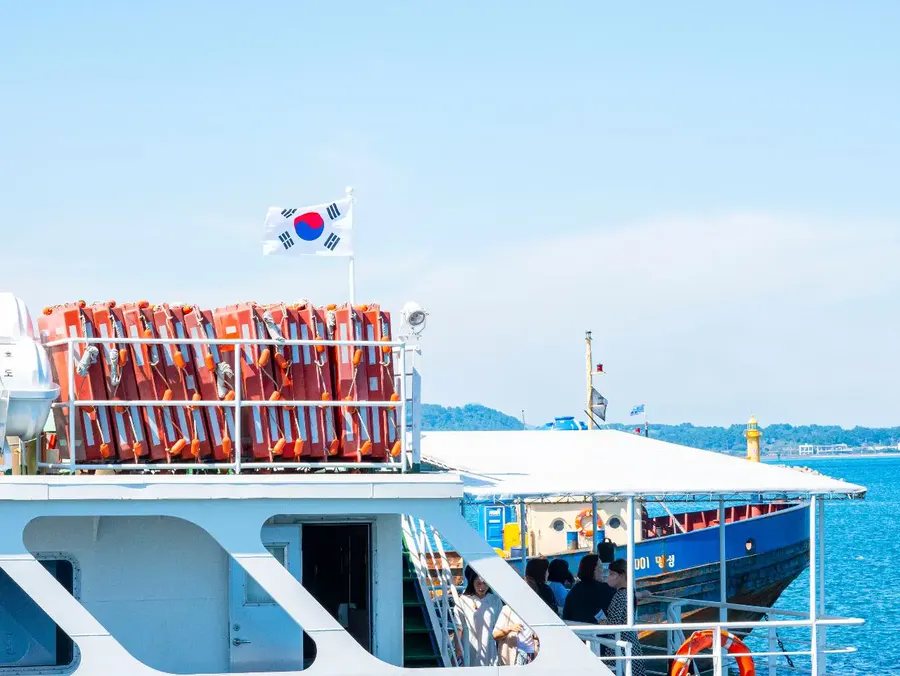
Ferries from Seongsan and Jongdal take about 10–15 minutes, but that is only the crossing. Allow extra time for the terminal, passenger declaration, queues and the first stop after landing. The Seongsan service may use Cheonjin or Haumokdong on Udo; weather and vessel operations can change the sailing and arrival port, so confirm both on the day.
Complete the passenger form and bring the required identification. International visitors should carry an original valid passport; ask the terminal what it accepts for children and Korean residents. Names and birth details must match the ticket and declaration. Check the final return sailing and reach the correct pier early enough to return any rental.
Set the island time before choosing stops
Udo is about 3.8 km long with a 17 km circumference. Walking the full loop without stops takes roughly three to four hours; visiting one or two major sights with a café or meal is also commonly a three-to-four-hour visit. Those are different plans. Add the ferry, port transfer and mainland journey separately.
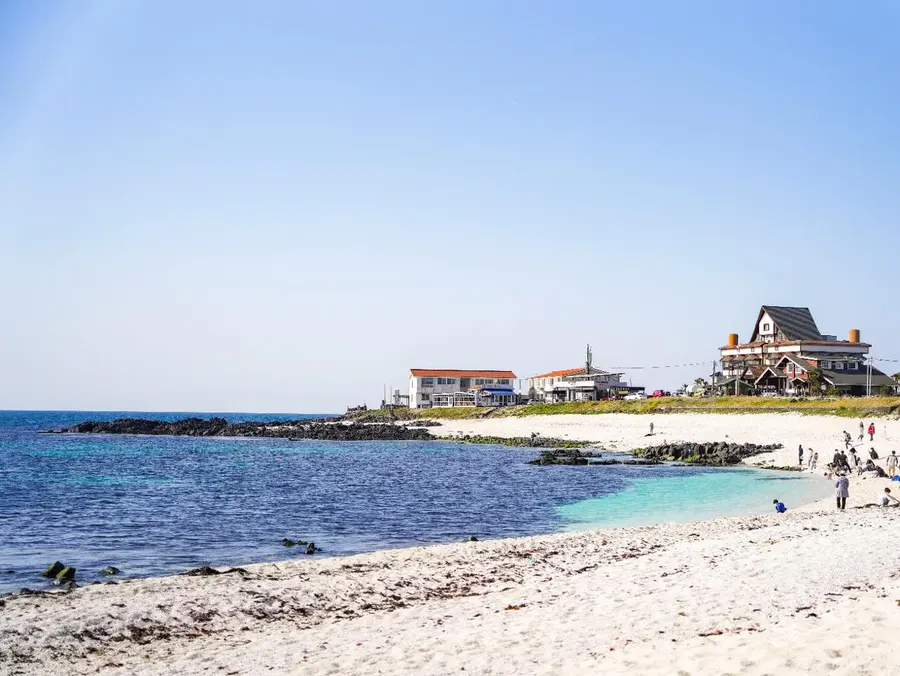
Choose from Udobong, Geommeolle, Hagosudong and Seobinbaeksa, also called Rhodolith Beach, rather than trying to cover every shore. A five-hour island visit can leave room for an early sailing and one flexible stop in Seongsan afterward. Keep the rest of the day in eastern Jeju; a west-coast detour adds a long drive after the ferry deadline.
Pick transport for the route and conditions
The sightseeing bus reduces riding and navigation, with less freedom to set each stop’s length. A bicycle or walk requires more time and leaves the group exposed to hills, sun and coastal wind. A motorised rental needs the correct licence, vehicle category and insurance; requirements can differ by vehicle class, speed and power. If the rental terms are unclear, use the bus or a bicycle.
Ask the ferry operator in advance about boarding assistance, wheelchair positions, toilets and any limits on staying inside a vehicle. Pier levels, gangways, island slopes and shop entrances can affect mobility. A bus ride with one or two accessible stops is a more manageable plan than trying to complete the whole loop.
Check the vehicle restriction and exceptions
General rental cars are restricted from entering Udo through 31 July 2029. Visit Jeju lists possible exceptions for certain charter buses, Class 1 low-emission rental cars such as hydrogen or electric vehicles, transport-difficulty cases and guests staying on Udo. Each exception has conditions: confirm eligibility and supporting documents with both the rental company and ferry operator, and check that insurance covers the island.
An overnight stay can make an exception relevant and gives more time outside the day-trip peak, but it also ties lodging to dinner, luggage, next-day ferry conditions and the mainland route. Keep a flight or timed booking away from a tight return connection.
Budget for separate ferry and park charges
Visit Jeju currently lists Udo Marine Provincial Park admission at KRW 1,000 for adults, KRW 800 for youths and military personnel, and KRW 500 for children, with exemptions for some visitors. Korea Tourism Organization lists Udo admission as free. The ferry is charged separately. Because the official listings differ, check the amount and what it covers at the terminal instead of relying on an older fare table.
Protect the coast and plan food around the return
Seobinbaeksa’s pale shore is made of rhodoliths, not coral fragments; the beach is protected, so leave the material in place. Udo also has peanut ice cream, coffee and pastries, alongside seafood and haenyeo culture. Check ingredient information and ask about cross-contact for a peanut allergy. Keep a queue or meal from cutting into the return-pier buffer.
When the day should move
Make Udo the main eastern-Jeju activity if you want time for its coast, fields and village stops. For a short visit, choose one main sight and a meal. Wind or sea conditions can alter service; keep an eastern-mainland alternative and move the island visit if the crossing is cancelled. Check swimming and marine activities separately before making them the reason for the trip.
Jeju route and stay planning
- Three-day Jeju itinerary; four-day Jeju itinerary; five-day Jeju itinerary.
- East Jeju versus West Jeju and a two-day East Jeju plan.
- Car-free Jeju transport or whether to rent a car.
- Where to stay in East Jeju, Jeju bases, hotel choice and one base or split stay.
- A rainy-day alternative; using a Korea eSIM for route updates; how many days to allow for a first Korea trip.
Checked 26 October 2026. Recheck the sailing, pier, last boat, vehicle exception, insurance, park charge and sea conditions with the operators before travel.
Udo day-trip decision
Sources checked in this page: Visit Jeju attraction information · Visit Jeju attraction information · Korea Tourism Organization attraction information