
KRINAVI TRIP FIT
KRINAVI Trip Fit
75/100For the travel scenario described here, KRINAVI Trip Fit is 75/100. Seoul Forest is worthwhile not because it is free, but because shaded walking, ecological areas and Seongsu can form one low-friction half-day. The public park is accessible around the clock; that does not make the deer area, insect facilities or seasonal programmes available at every hour.
- Time efficiency65/100
- Route fit85/100
- Planning flexibility85/100
- Weather resilience60/100
- Crowd control75/100
- Value for cost90/100
Plan around the facility you want first: weather is the weakest fit, so keep the walk short or choose another day if conditions are poor.
Seoul Forest suits a free outdoor half-day, especially when it shares a route with Seongsu. The public park is open around the clock, but the deer area, insect facilities and seasonal programmes follow separate hours and closure rules. Check those details if a particular facility is the reason for your visit.
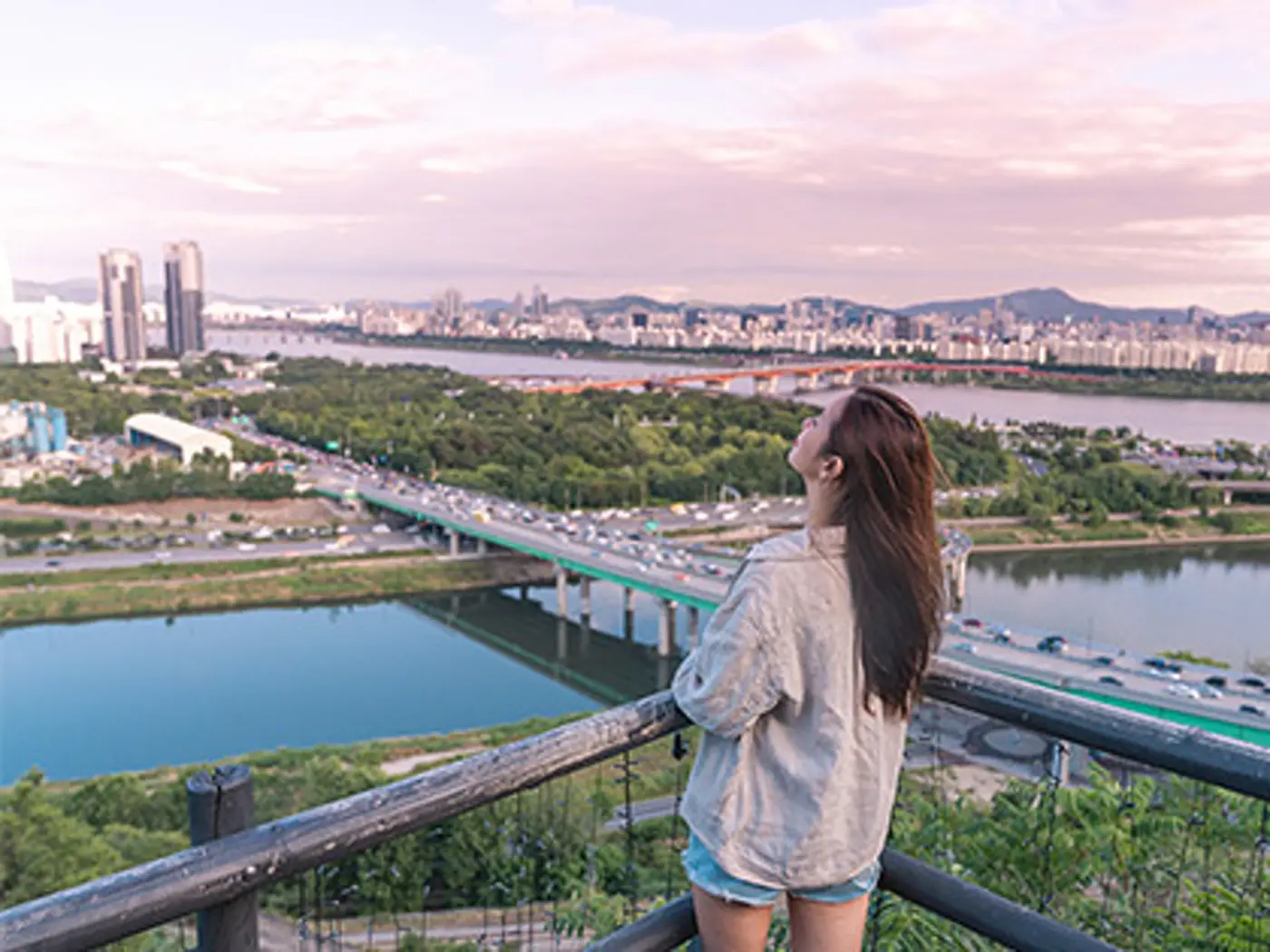
- PARK — Take a free walk, find shade or pause for a picnic; the open park does not require a timed entry.
- ECO — For the deer area, insect facilities or a scheduled programme, confirm today’s hours, last entry and closure notices.
- SEONGSU — Pair the park with nearby cafés, shops or a meal instead of making it a separate cross-city stop.
- Bad weather — This is an outdoor visit; rain, strong wind, heat or cold may make another plan more comfortable.
The 24-hour access applies to the public grounds
Seoul Forest is a public green space with free open grounds; Seoul’s visitor information lists the park as accessible around the clock. That flexibility works for an early walk, picnic or break between neighbourhood stops.
Individual enclosures, information spaces and programmes keep their own hours. A park-only visit can stay flexible, but anyone coming for one animal area or exhibition should check its current notice before travelling.
Use “24 hours” for the public park. Treat ECO facilities and Seongsu as separate parts of the day, each with its own timing or route needs.
Check facility hours before making them the reason to go
The deer area and insect-related facilities have separate daytime schedules and may close on particular weekdays or seasons. These details can change, so use the current Seoul Forest notice for your visit date rather than an old itinerary.
If the facility is confirmed open, plan around its entry window. If not, walk the park and leave the timed stop optional.
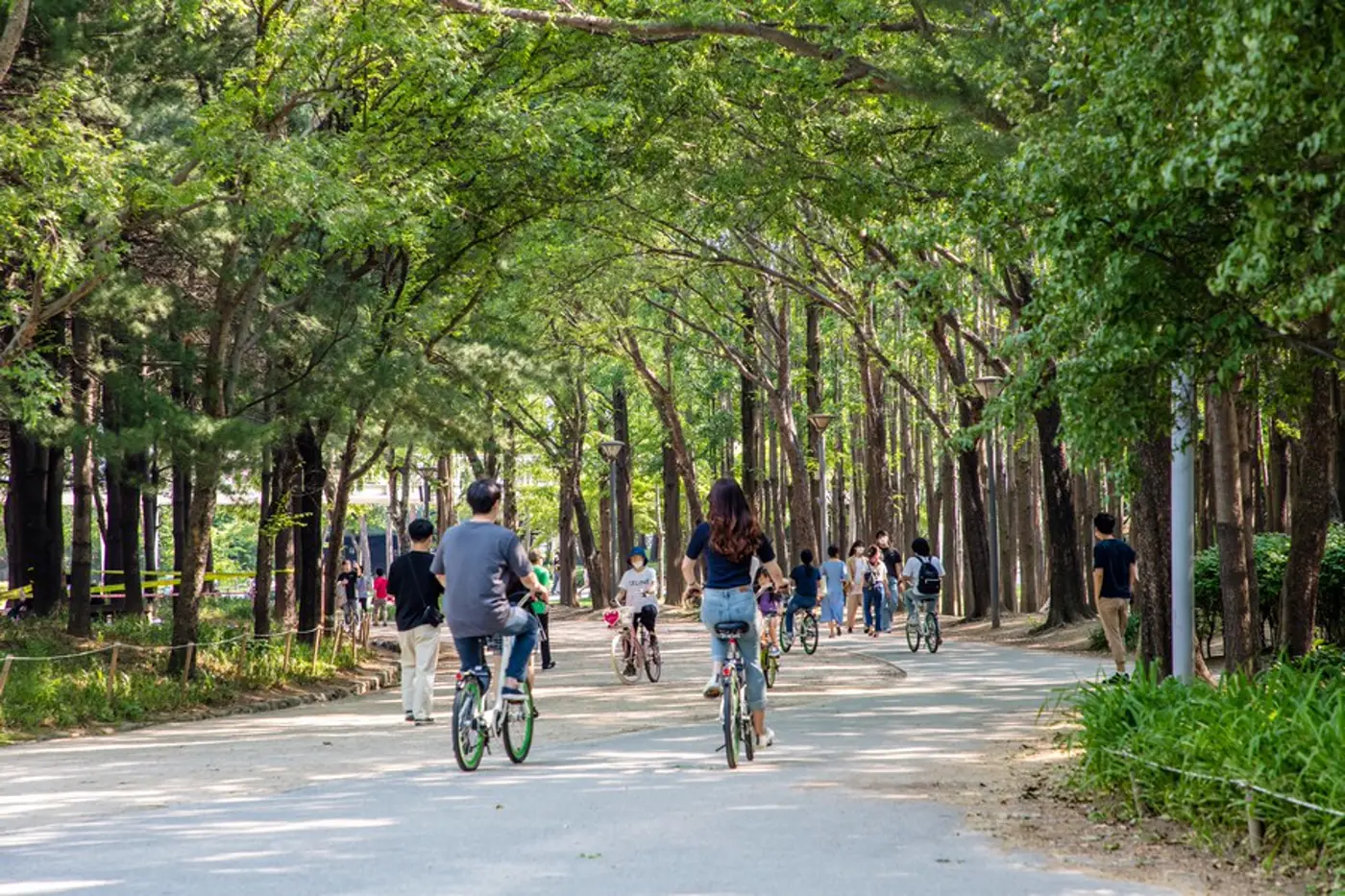
Add Seoul Forest to an east-Seoul day
Seoul Forest fits naturally with Seongsu. Walk before or after cafés, shops or a meal, choosing the shaded park hours when the neighbourhood is busy or warm. For a food-led day, use where food-focused visitors should stay in Seoul to decide whether this side of Seoul already belongs in your plan.
Keep the park off a tightly timed palace or west-Seoul route unless it genuinely fits. The Seoul four-day itinerary and five-day itinerary show where a green half-day can sit, while where to stay on a second Seoul trip helps returning visitors choose a different part of the city.
Treat flowers and garden events as date-specific
Flower displays, foliage and special events depend on the year, maintenance and actual bloom dates. A past-season image does not guarantee the same view on a later visit.
If an event is your main reason to go, check its current dates and map first. Seoul garden show at Seoul Forest or Maeheon is relevant only when that year’s programme overlaps your trip.
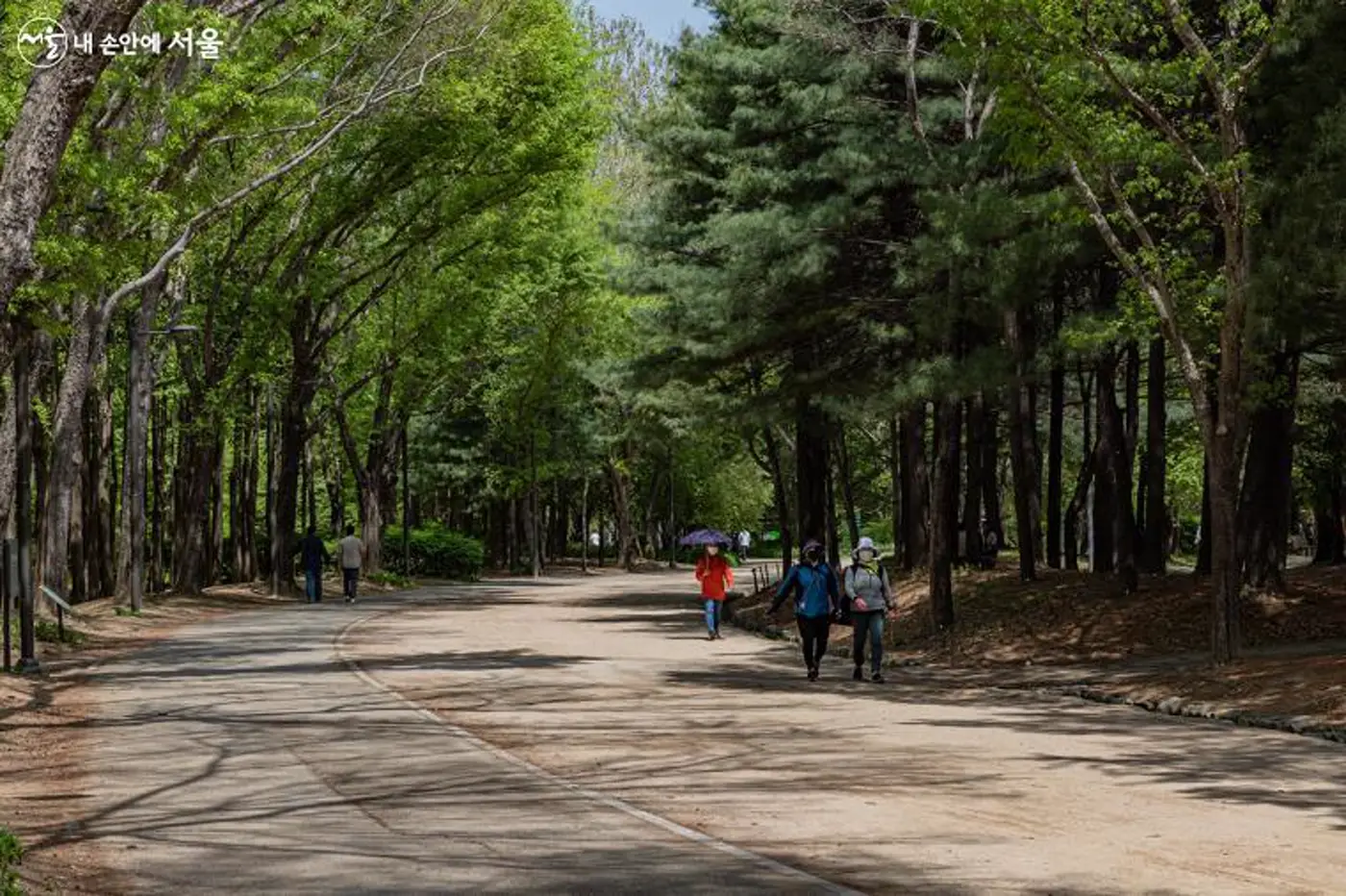
Plan for children, strollers and older visitors
Wide paths and open space can give families room to pause, but the entrance, distance to a facility, toilets and weather still affect the outing. For stroller planning, start with Seoul stroller base guide and check the chosen route rather than assuming every path is short.
Shade and places to rest may help older visitors, while a distant facility can add a long walk. Seoul base decision for a trip with parents includes the hotel-to-park journey in the day’s pace.
Weather can change the value of an outdoor break
A brief walk may suit cool weather or light rain, but heavy rain, strong wind, snow or severe heat can make the park uncomfortable. Use Seoul rainy-day plan when you need a reliable indoor plan.
The park is not a rest stop if reaching it and returning takes most of the day. If recovery is the goal, compare the nearby-base advice in midday hotel-rest base decision.
Before setting out
- Decide whether this is a park walk, a timed facility visit or a Seongsu pairing.
- Confirm the chosen facility’s hours, weekday closures and last entry for that date.
- Check that Seoul Forest fits the same side of town as the rest of the day.
- Use an indoor alternative if the forecast makes outdoor walking uncomfortable.
- Allow time for the entrance, toilets, shade breaks and the return walk.
Go for a free green break that fits an east-Seoul route. Check first if you are visiting for the deer area, insect facilities or an event. Choose another plan when the weather is poor or reaching the park would add a long cross-city return.
Plan the day by neighbourhood
Use Seoul city hub to place the park within your Seoul route, then choose a public-grounds walk or a separately scheduled facility visit.
Reviewed 2026-08-23. Seoul city information was used for the free public grounds and their 24-hour access. Facility schedules, seasonal programmes, maintenance and event dates need a fresh check before travel.
Official sources: Seoul Metropolitan Government | Seoul Forest · | Seoul Forest · Seoul | Garden show context