
KRINAVI TRIP FIT
Score withheld
For one night, the hotel is a link between the last useful stop on day one and the first fixed plan on day two. A north-side stay is often practical when arrival is late or departure is early; moving east, west or south needs a specific reason.
Mark the actual end of day one and the first appointment or transfer on day two. A midpoint can add travel to both legs if it does not sit on the route.
Subtract airport time before calling it a two-day trip
Flight arrival is not hotel arrival. Allow for baggage, leaving the terminal, waiting for transit or a rental-car shuttle, car handover and check-in before counting the first evening. Reverse the sequence for departure.
Plan around three blocks: the usable arrival period, the overnight, and the usable departure period. When those edges leave little free time, a distant resort adds travel without adding time to enjoy it. Related: late-arrival first-night guide · early-flight last-night guide
Jeju City: the low-transfer overnight
Jeju City can work when the evening ends near the airport, Yeondong or Yongdam and the next morning starts in the north. The Yongdam/Yongduam Coastal Road offers a coastal stop close to the airport area.
Once the north is chosen, narrow the area and property: where to stay in Jeju · Hotel Sirius Jeju · Hotel Leo vs Hotel Sirius
East Jeju: stay near the morning you cannot miss
Route 101 serves the airport/Jeju City corridor and continues through Hamdeok, Gimnyeong, Seongsan and Namwon. Check the date-specific timetable, stop and final hotel leg before relying on it for a one-night transfer.
Use Seongsan when the first evening and next morning are both on the east coast or you need an early ferry. Hamdeok and Seongsan are different bases; compare the exact morning connection. the Seongsan east-side stay decision · Gloucester Hotel Hamdeok vs Ramada Jeju Hamdeok · Co-op City Hotel Seongsan vs The Best Jeju Seongsan
Aewol and Hallim: use the west when both ends point west
Aewol or Hallim can suit the night when the sunset, dinner and the next morning all stay on the west side. Route 102 links Jeju Bus Terminal and the airport with Aewol, Hallim and Daejeong; confirm schedules and the hotel’s last leg.
Route 600 connects the airport with the Jungmun and Seogwipo KAL Hotel corridor. The Korean KAC listing checked for this article gave 06:30 first departure, 22:20 last departure and 16–40 minute intervals; verify the current date timetable before planning around those times. Related: where to stay in western Jeju · Aewol cafe-stay decision
Seogwipo and Jungmun: allow enough return time
A southern night is useful when the evening and next morning stay south and there is enough time to return to the airport. A direct bus does not make every southern hotel the best one-night choice.
Rental-car users still travel to the Rental Car House and take the operator shuttle; KAC advises checking arrangements with the individual company. Include both handover and return in a two-half-day trip.
A rental car still takes time to collect and return
Driving is useful when the first and last stops already point in one direction. If the rental decision is open, compare it against this short route.
For no-car trips, confirm the first and last service, transfer and walk with luggage. The date-specific bus routes may provide a corridor, but they do not prove the hotel’s door-to-door connection. whether you actually need a rental car in Jeju
For a no-car night, verify the first and last connection
A pool, spa or breakfast has little value if you arrive after dinner and leave before use. Choose a resort night only when the hotel itself is the main plan for that afternoon and evening. Related: the Jeju no-car guide
A hotel that stays useful in rain or after a late meal is safer than one that only fits the perfect-weather version. For families or older travellers, count every transfer with bags and strollers.
Pay for hotel facilities only if you have time to use them
Before paying, answer: when can you leave the airport; where does day one end; where does day two start; do both sit on one route; what service runs on your date; how long is the hotel’s last walk; when can you check in; and what facility can you actually use?
If the itinerary needs several distant regions, add a night or remove a stop instead of expecting one hotel to serve the whole island. Compare the three-day plan if the current window feels too compressed.
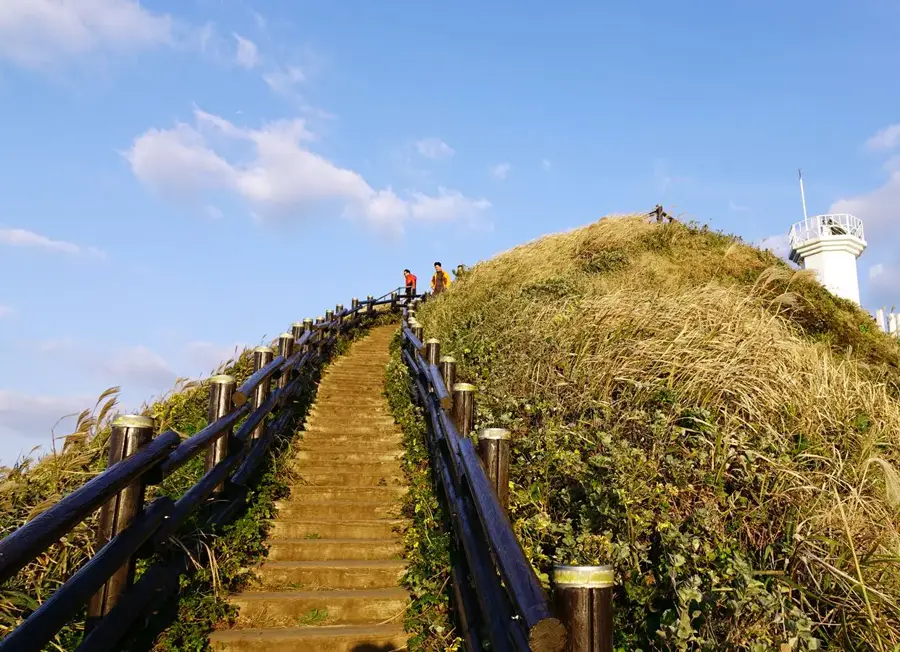
Eight checks before booking
- After landing, when can I realistically leave the terminal?
- What is the final place on day one where I truly expect to stay into the evening?
- What is the first thing on day two that I cannot be late for or do not want to drop?
- Do A and B sit on the same east, west, south or north travel line?
- Without a car, have I checked the actual first/last useful service and the final hotel leg?
- With a car, have I counted rental pickup, return and shuttle time?
- Will I genuinely use the hotel facilities for at least a meaningful block of time?
- After checkout, where does the luggage go and how long will I carry it?
After choosing the area, check the exact room, occupancy, breakfast, parking and cancellation terms for the stay.
Choose the overnight that fits the route
Airport service, schedules and facility hours may change. Recheck the operator and hotel information for your travel date.
Related guide pages: the 3-day Jeju version
Related Jeju guides
The best one-night base is the one that lets you reach the next fixed stop without undoing the previous evening’s route.
Core judgement: Use Jeju 2 Days 1 Night to compare the route, timing and practical trade-offs before finalising the trip.