
KRINAVI TRIP FIT
KRINAVI Trip Fit
80/100Choose the base that leaves the cases in the room for most of the stay while keeping the airport ride and day trips manageable.
- Time efficiency80/100
- Route fit90/100
- Planning flexibility80/100
- Weather resilience70/100
- Crowd control75/100
- Value for cost70/100
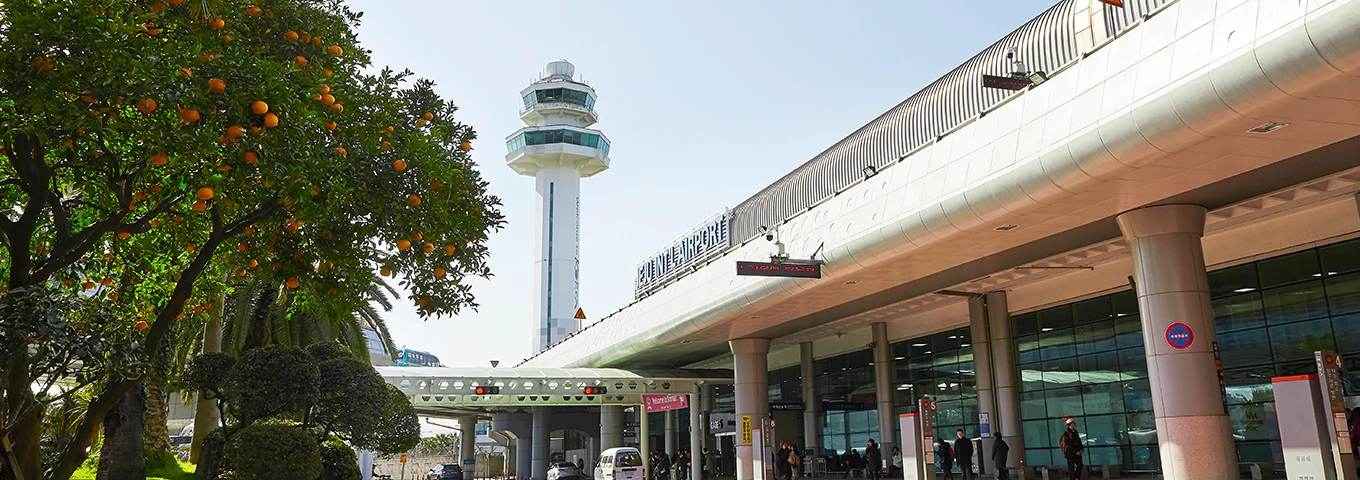
Plan the first trip from the airport curb to the room, including the final walk. A single direct ride may save more effort than a nearby address that requires a transfer. Move the bags again only when the next base will serve several days.
Use the airport transfer guide to compare arrival routes and the car-free bus plan for sightseeing. This page weighs the hotel move itself: how many times you handle the cases before they can stay put.
Choose the base that leaves the bags still
With two large suitcases and no rental car, compare the whole trip from the airport curb to the hotel entrance. Count each boarding, transfer, road crossing and final walk; a short map distance can still mean several heavy-bag handoffs. A direct ride followed by a manageable walk is usually easier than changing vehicles with both cases.
Use the Jeju airport transfer guide for the arrival leg and the car-free bus plan for sightseeing days. Keep the main cases at one hotel when they can serve several days. A second base earns its place when it removes repeated cross-island travel; checkout, luggage storage, another ride and a second check-in are part of that move.
When a first night in Jeju City helps
Yeondong is useful when the flight arrives late, the last onward connection is uncertain, or the hotel cannot confirm a late check-in. It also works as a multi-night base when dinners, shops and several day trips are north-facing. Read the late-arrival decision if the flight time drives the choice.
Shilla Stay Jeju is in the city area, not a terminal-connected hotel; its value is the short road transfer and access to Yeondong. Its hotel guide covers the property. For other Jeju City options, compare the city stay guide with the wider base decision. The LOTTE City Hotel Jeju, Shilla Stay Jeju and their side-by-side comparison are choices within that city-base decision; the hotel name alone does not settle where to stay.
Go south directly when Jungmun is already the base
Korea Airports Corporation lists Route 600 from the limousine stop by Gate 5 through Jeju City toward Jungmun. Check the timetable for your date and confirm the final leg to the property. If you have several nights planned in Jungmun, going there with the main luggage once may be simpler than spending one night north and moving south the next day.
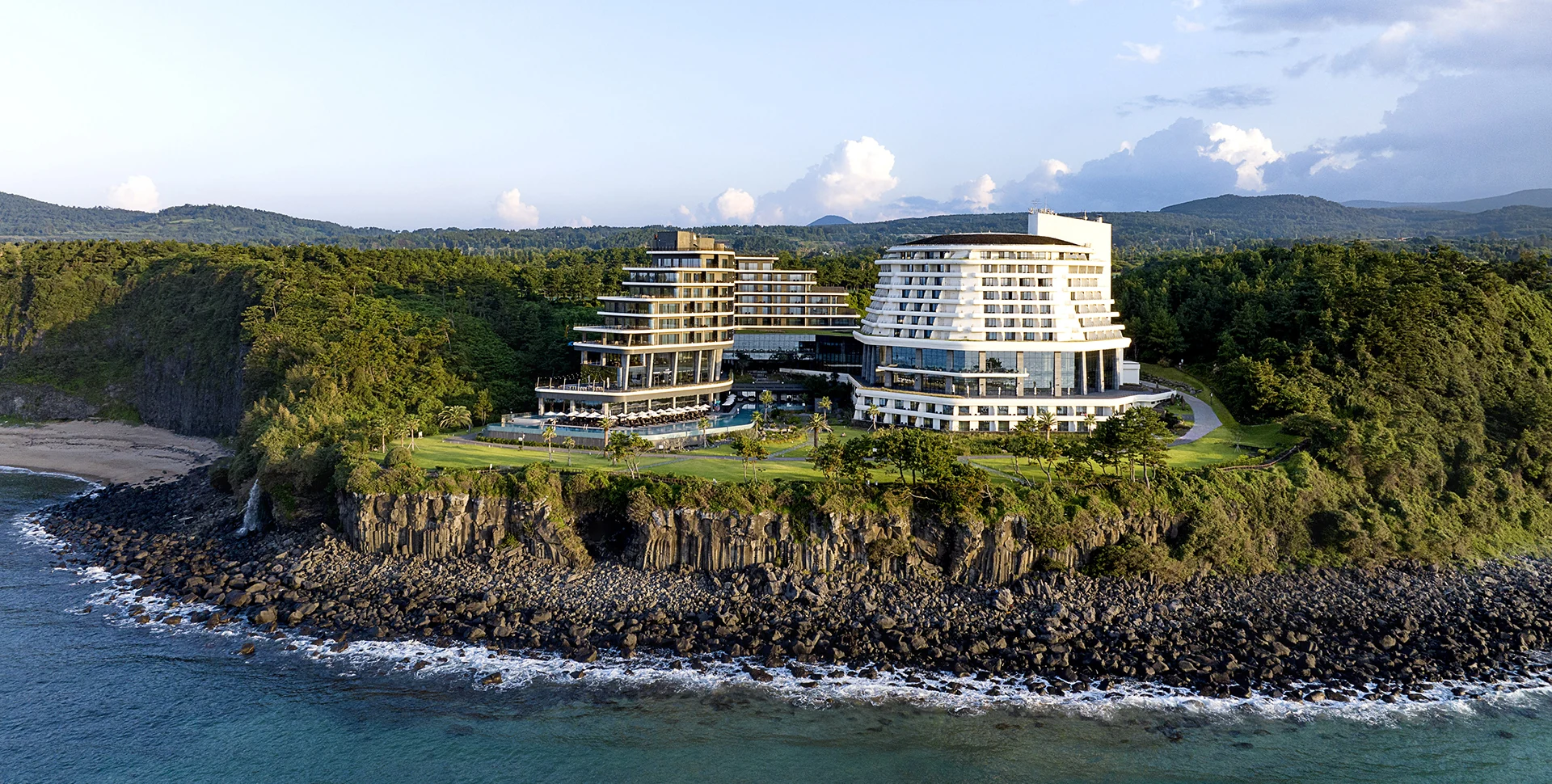
The airport stop list and Parnas Hotel Jeju’s location page both identify Route 600 as an airport-limousine connection. That makes Parnas one reachable example, not a reason to choose the resort if the rest of the itinerary is based around Seongsan or Seopjikoji. See the Parnas property guide after deciding that Jungmun fits the trip.
Use a taxi for the one difficult luggage leg
Car-free travel can still include a taxi. The airport passenger guide places the taxi stand across the road from Gate 3. One direct ride can remove transfers on arrival while leaving buses for lighter day trips. A taxi is particularly useful when rain, a late landing or the hotel’s final walk makes a bus connection awkward.
Move east only when several days need that base
Seongsan, Seopjikoji and Pyoseon share an east-coast label, but not one simple public-transport stop. Seongsan may anchor an early start, Seopjikoji an attraction-focused day, and Pyoseon a resort stay. Compare the actual bus and final walk before taking large cases east. The East Jeju base guide separates those areas; for a single east-side outing, leave the luggage at the main hotel.
Price the hotel change in time, not just money
A hotel move can take over the middle of a day: pack, check out, store the cases, reach the next area, wait for check-in and repeat the steps on departure. With large luggage, a second hotel is easier to justify when it serves at least two full days or cuts repeated trips. The three-night base comparison looks at the same trade-off for a shorter stay.
Check the exact walk from the stop to the entrance, including slopes, crossings and uncovered sections. A ten-minute walk with a backpack and the same walk with two hard-shell cases are different arrival plans. If the hotel move falls on a rainy day, revise that day’s sightseeing using the rainy-day plan rather than scheduling a coast-to-coast transfer around it.
When a rental car changes the answer
If the hard part is one east- or west-side day, compare a taxi or a one-day car rental with moving hotels for the whole trip. A rental only pays back when it removes several transfers or supports days that do not fit the bus network; pickup, parking and driving remain part of the plan. Use the Jeju rental-car decision guide before adding a vehicle to solve one luggage-heavy arrival.
Make the choice with six checks
- How many large cases will each traveller manage?
- Can the airport ride reach the hotel area in one vehicle?
- How many nights and full days will that base serve?
- Where does the actual bus stop leave you relative to the entrance?
- Will the next two mornings start nearby or across the island?
- Could one taxi remove the hardest transfer without changing the rest of the trip?
Choose Jeju City when flight logistics and northern evenings repeat across the stay. Go to Jungmun when it is already the multi-night base and the current Route 600 service fits the arrival. Be cautious about moving east for a single attraction. The right comparison is how often the suitcases have to move after the first hotel check-in.
Related reading
The airport transfer details in this guide were checked on August 20, 2026 against Korea Airports Corporation's Jeju International Airport public-transport and passenger-guide pages. The current airport information places Route 600 at the limousine stop in front of Gate 5 and lists its Jungmun / Seogwipo stop pattern. The airport guide places the taxi stand across from Gate 3. Parnas Hotel Jeju's current official location page also identifies Route 600 as its airport-limousine connection. Timetables, stop patterns, hotel policies and road conditions can change; verify your travel date before relying on a specific departure.
Jeju International Airport — Public Transportation · Jeju International Airport — passenger arrival guide · Parnas Hotel Jeju — Location
References
Reference links: Korea Airports Corporation — public transport · Korea Airports Corporation — passenger arrival guide · Parnas Hotel Jeju — airport limousine location