
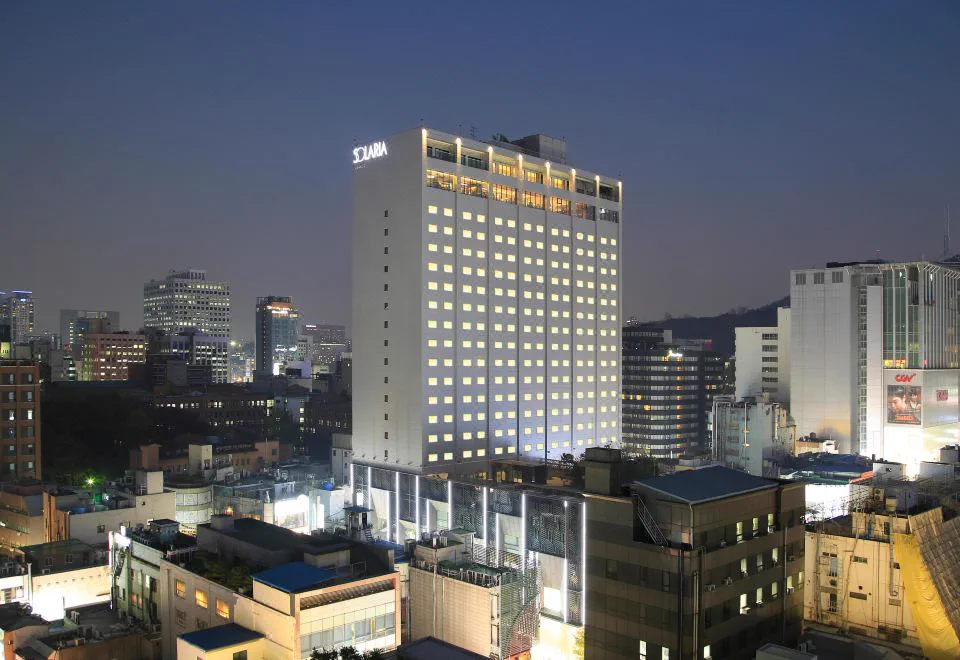
Hongdae favours airport-rail arrivals and west-Seoul evenings. Myeongdong can work better for midday returns during central sightseeing. Compare repeated trips from your hotel door, not general claims about convenience.
Start with two moments: the airport arrival and an afternoon when the group has shopping bags or needs a rest. If neither area fits those routes, return to the where to stay in Seoul guide and widen the search.
Choose Hongdae for arrival night only if the west side keeps paying you back
Hongdae can simplify arrival when the exact hotel is easy to reach from Hongik Univ. Station with luggage. This helps most after a late flight or for a tired group; it does not cancel several days of travel to central or south Seoul.
Count where full sightseeing days begin and end. Repeated journeys toward Jongno, Dongdaemun or south Seoul may outweigh a simpler airport trip to Hongdae.
West-side evenings add value when the group will use Hongdae for dinner, cafés or separate late returns. If everyone returns early or finishes elsewhere, nightlife near the hotel adds little to the stay.
Choose Myeongdong when being able to return to the hotel changes the day
Myeongdong can help when a central sightseeing day includes a room break. A group can leave bags, change shoes or let someone rest before going out again; the benefit depends on actually returning during the day.
If your group leaves after breakfast and returns only at night, a central regrouping point matters less. Stay near the day’s final stop when the schedule is fixed, rather than assuming Myeongdong is close to every attraction.
For an evening split, Myeongdong can make it easier for one person to return after shopping while another stays out. Hongdae has a different late-night rhythm; choose the pattern your group will use.
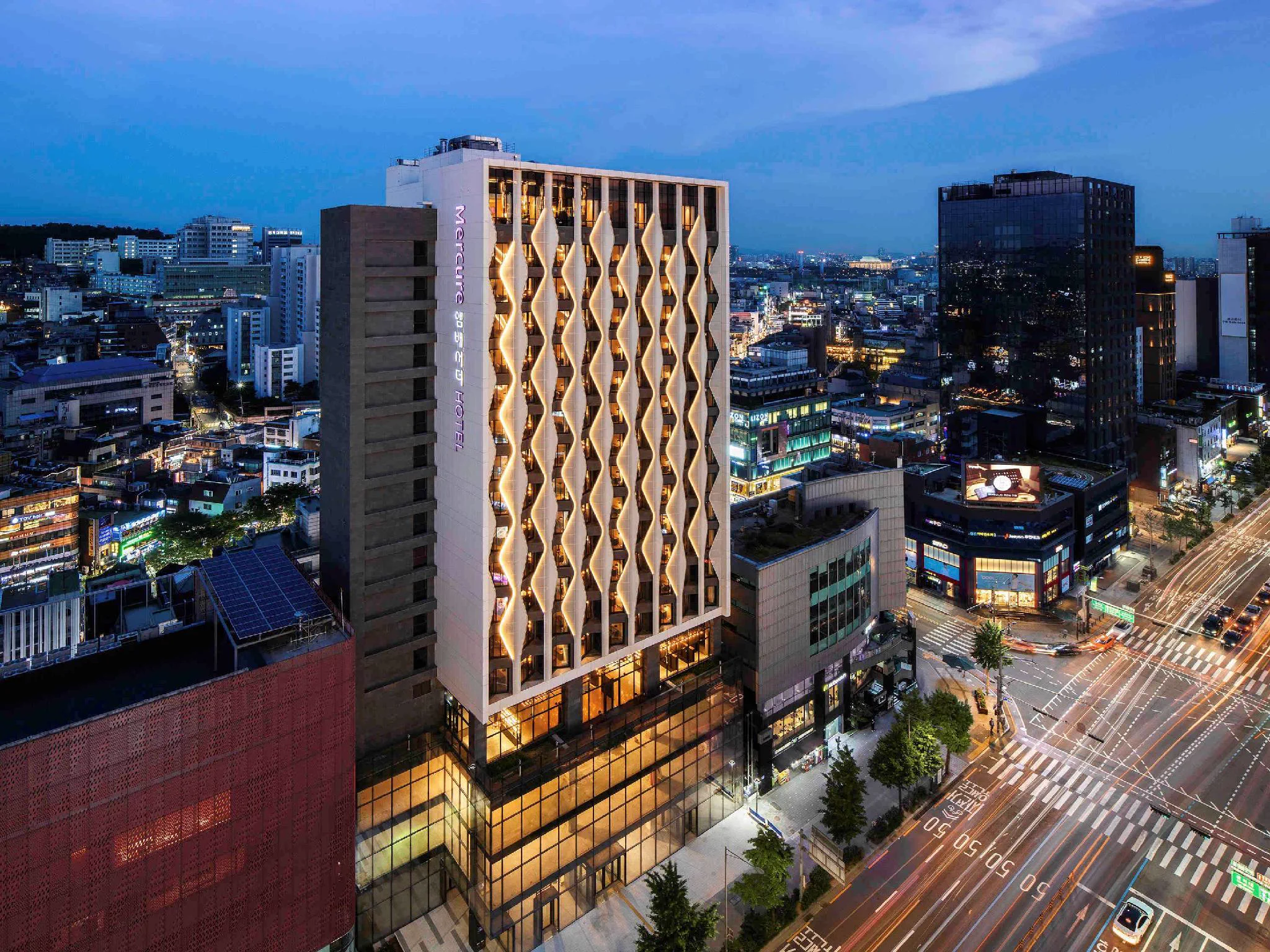
The deciding factor is whether you use the same advantage a second time
Count the first use, but do not decide yet
Count each area’s first real advantage, then see whether it appears again. Airport access only once has less weight than several west-side evenings; a central location only matters when you use it for a return or route.
When the same advantage appears again, put it next to the date
Write actual dates beside the pattern. Hongdae might mean an airport arrival and two west-side nights; Myeongdong might mean two midday room returns and a group that splits up.
On a short trip, event density matters even more
On a five-day trip, plot the daily geography with the 5-day Seoul itinerary first. Keep the airport journeys in view, but do not move attractions after booking to justify the hotel.
Two sensible-looking plans that miscalculate the real cost
An easy airport connection is not a discount on every night. Check the actual station exit and each full-day start and finish before giving Hongdae an advantage.
A “Myeongdong” label does not describe the hotel’s road crossings, underground passages or preferred subway line. Once the area fits, compare exact properties in the Seoul hotel selection guide, including Lotte Hotel Seoul and The Westin Josun Seoul.
Moving between the two areas can cost a sightseeing block in checkout, luggage storage, waiting and unpacking. Split the stay only when the first and second halves genuinely use different parts of Seoul; test that plan with the one hotel or two bases test.
Draw two lines on the map, then move on to the actual hotel
Draw the arrival route to the hotel and first evening, then the most common afternoon return and evening finish. The area that shortens the routes you will repeat has the stronger case.
If the area is still tied, compare actual rooms for the same dates, occupancy and cancellation terms. Check the station exit, walk to the door, luggage space and recent noise comments.
State the choice with a trip detail: a late arrival plus two west-side nights, or several central afternoons with room breaks. If the reason has no date or activity, compare the hotel address again.