
KRINAVI TRIP FIT
KRINAVI Trip Fit
75/100Choose one collection focus, then fit the campus walk around the nearby historic route. A selected gallery and one outdoor stop can be enough for a short visit.
- Time efficiency55/100
- Route fit75/100
- Planning flexibility85/100
- Weather resilience75/100
- Crowd control75/100
- Value for cost90/100
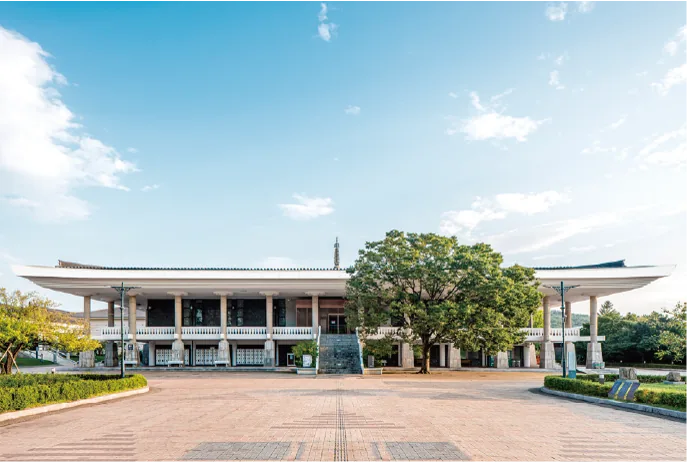
Gyeongju National Museum connects the city’s tombs, temples and palace sites with objects found there. At 186 Iljeong-ro, near Donggung & Wolji and Wolseong, it covers Silla history, Buddhist art, palace finds, children’s interpretation and outdoor monuments. Choose galleries that answer a question about Gyeongju; the grounds are spread across several buildings and outdoor areas.
Pick a collection route
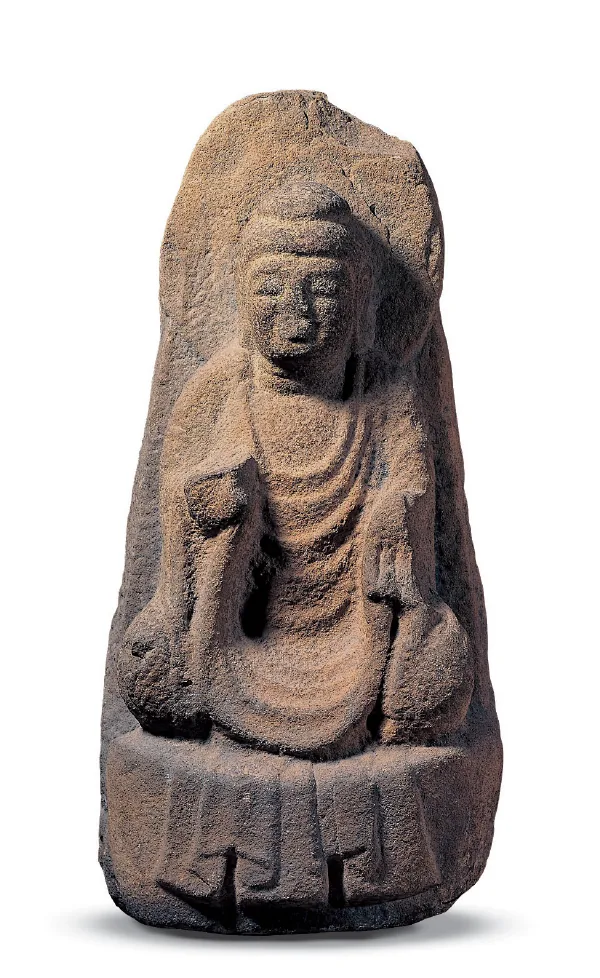
For a first visit, start with the Silla History Gallery, then choose the Silla Art Gallery or Wolji Gallery according to your other stops. Finish at the Divine Bell and one outdoor work if time allows. History follows Silla from its formation through Unified Silla and includes “Silla, the Land of Gold”; Art focuses on Buddhist works, sculpture, temple objects and architectural fragments.
The guide’s museum information records roughly 700 works across four rooms in the Art Gallery. Wolji Gallery selects about 1,000 objects from around 30,000 excavated at Donggung and Wolji. These are descriptions of the collections, not a promise that every object is on display. Crowns and other major pieces may move for conservation, loans or temporary exhibitions.
Set a visit length before entering
- 45 minutes: one History Gallery section or the outdoor area.
- 90 minutes: History, part of Wolji and the Divine Bell.
- Two hours: add the Art Gallery, with time for a break and walking.
- Up to three hours: allow for a slower campus walk, a special exhibition or a confirmed Children’s Museum session.
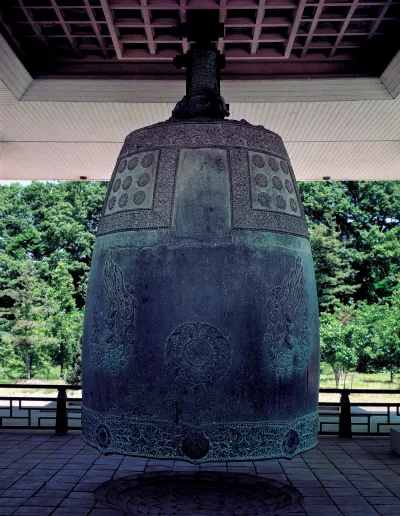
These are planning blocks, not official tour durations. Include building-to-building walks, toilets, lockers and children’s breaks. The Divine Bell of King Seongdeok, also called the Bongdeoksa Bell, was completed in 771; the museum describes it as about 3.65 metres high and 18.9 tonnes, and identifies it as National Treasure No. 29. Its decoration and inscription reward a focused visit without requiring a full campus circuit.
Check opening, admission and special exhibitions
Permanent galleries and the Children's Museum are free; some special exhibitions require a separate ticket. The English visitor information for the museum lists weekdays 10:00–18:00, weekends and public holidays 10:00–19:00, and extended hours to 21:00 on the last Wednesday of each month and Saturdays from March through December. Last admission is 30 minutes before closing. It lists closures on January 1, Seollal and Chuseok. Check the museum visitor information before planning a late visit.
Fit it into one compact day
The museum works with the eastern historic area, including Daereungwon, Wolseong and Donggung & Wolji. Visit beforehand for context or afterwards to connect what you saw with excavated objects. In heat or rain, use the indoor galleries as a midday stop; leave enough time to reach the pond before dusk if that is part of your plan.
From Seoul or Busan, fix the arrival and return journey before adding a museum visit. A 45–90 minute stop may fit a same-day itinerary; a longer campus visit is easier with an overnight stay. Check local bus or walking routes on the day. A map distance alone does not account for the grounds, weather, luggage or your group’s pace.
Plan around children, access and visitor rules
The Children’s Museum uses sessions and capacity controls; free admission does not mean you can arrive at any time. Check the current reservation and entry arrangement, then build the adult-gallery visit around the confirmed session. English tours and guide services appear in dated notices, so do not rely on an old schedule. The museum’s English, Japanese and Chinese leaflets can support a self-guided visit.
Exhibition halls prohibit flash, tripods, selfie sticks and commercial photography; food and drinks are not allowed. Do not touch exhibits and keep phones silent. The museum campus has lockers, a cafe, shop and convenience store. Ask the museum about lifts and step-free routes if those affect your visit; the outdoor collection adds walking.
Before you go
- Check current opening hours, last entry, closure notices and the special-exhibition ticket rule.
- Choose History, Art, Wolji, the outdoor collection or the Children’s Museum before arrival.
- Confirm any children’s session or guided tour for your date.
- Leave time to cross the campus and reach your next stop.
- For a named object, check current display information; a permanent room is not guaranteed.
- Follow posted photography and gallery rules.
For a short visit, one gallery and the bell can be enough. Leave when your chosen route is complete rather than adding rooms at the expense of the rest of the day.
Related Gyeongju planning
- one-day Gyeongju route
- whether a Gyeongju day trip is realistic or an overnight is better
- Gyeongju without a car
- Bulguksa to your Gyeongju plan
- a realistic Gyeongju evening plan
- your Korea eSIM sorted before the day
- Seoul-to-Gyeongju transport guide
- this Busan-to-Gyeongju guide
- a Gyeongju overnight itinerary
- hotel decision guide
- where to stay in Gyeongju
- this two-night location guide
- how many days a first Korea trip needs
- Seoul–Busan–Gyeongju seven-day route
- Gyeongju destination guide
- Daereungwon and Cheonmachong guide
- Donggung & Wolji guide
- Cheomseongdae decision guide