
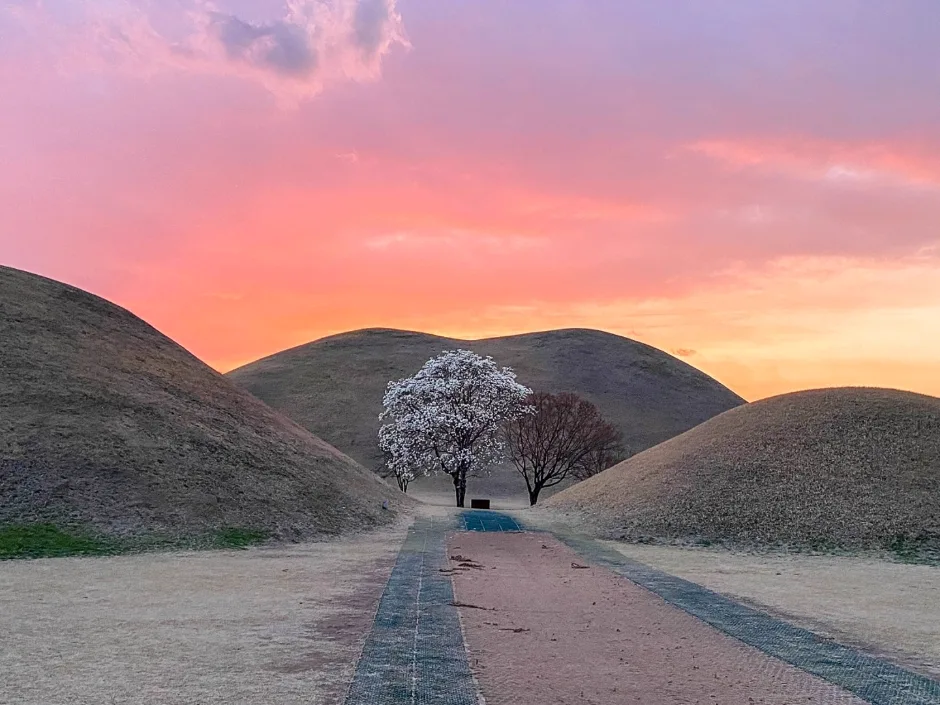
One night in Gyeongju gives you an evening and a morning. Use the arrival day for a nearby stop and dinner, then reserve the next morning for one area before continuing to the next city. Decide what those hours can hold before adding more sights.
Keep arrival day close to your base
Settle your luggage, check in and choose an afternoon route that connects naturally with dinner and the walk back. Crossing the city immediately after arrival can add transfers at the point when you are carrying bags and still learning the layout. A local first stop leaves the evening easy to shorten if the journey has taken more energy than expected.
Choose the accommodation area for the evening return and next morning’s departure, not just for a midday attraction. Compare the actual route with luggage and the local transport you plan to use.
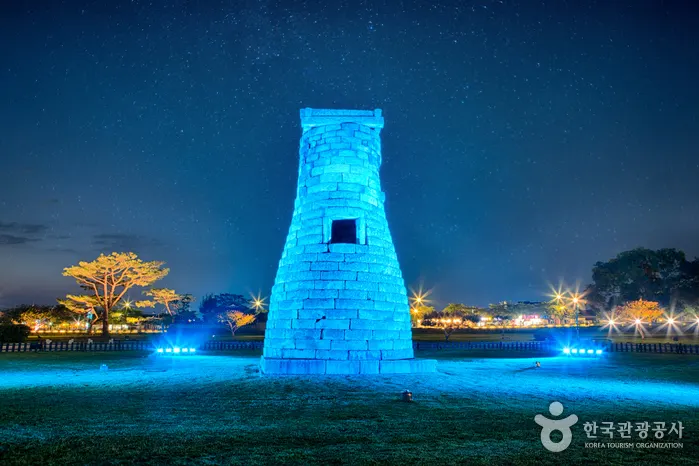
Use the evening for dinner and one unhurried walk
Staying overnight removes the need to leave as the day fades. Keep the plan small: dinner, then a walk near the old town or your base if the group still has energy. Check current weather and transport before going out, and agree that anyone can end the walk early.
If you arrive late, or the weather turns, dinner and rest are enough. A night out should not leave you too tired for the morning you chose to keep.
Give the next morning one clear purpose
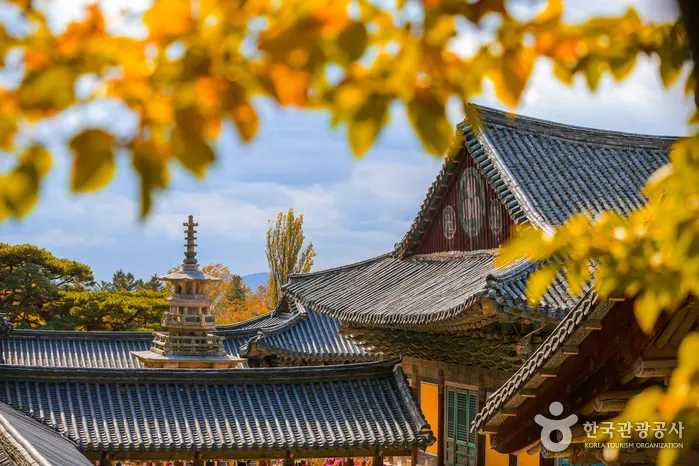
Pick one nearby heritage area for the morning and work backward from checkout and onward transport. A late departure can leave room for lunch or another short stop; an early one may allow only breakfast and a walk close to the base. Do not plan around an imagined free morning before checking the actual departure.
Settle luggage and transport before bed
Confirm when you must check out, whether bags can be stored afterwards, when they must be collected and how you will reach the bus or train. If arriving from or returning to Busan or Seoul, use the relevant intercity route plan to set the edges of the stay. Keep bags out of the sightseeing plan after arrival wherever the confirmed arrangement allows.
One night and two nights call for different plans. With one night, protect the evening or the morning according to your departure. Two nights can separate arrival, a full day and departure, but do not fill the added time with duplicate routes.
Before you travel
- Save the accommodation address and check-in details.
- Confirm checkout and luggage storage or collection.
- Choose the first afternoon stop and dinner area near the route back.
- Set the morning around the real departure time.
- Keep one optional stop that can be removed if the journey or weather changes.
The stay works when the evening and morning have room to breathe and the next connection remains practical. If both halves are rushed, reconsider the base or whether the overnight is useful.
Related Gyeongju planning
- where to stay in Gyeongju
- Gyeongju evening plan
- Gyeongju one-day itinerary
- Busan to Gyeongju guide
- Seoul to Gyeongju route
- Gyeongju without a car
- Gyeongju day trip or overnight guide
- Gyeongju hotel shortlist
- Busan 3-day itinerary
- Daegu one-day itinerary
- Gangneung one-day itinerary
- Seoul 5-day itinerary
- Gyeongju travel hub