
KRINAVI TRIP FIT
Score withheld
Seomyeon suits days that point in several directions; Nampo-dong may reduce repeat trips when the market, port and old town recur.
Put the west side first.
Seomyeon links Lines 1 and 2, helping when daily directions change. It does not make a day across distant districts efficient.
Put Nampo-dong first.
Nampo-dong fits when the market, port and old town repeat across the stay. Yeongdo still needs a bus or another transfer.
Compare the routes you repeat
| Travel scenario | West side | Nampo-dong | The real difference |
|---|---|---|---|
| Your daily destinations head in different directions | Advantage is clear | It’s easy to keep making the same back-and-forth trips | Seomyeon helps when destinations vary |
| Two days focused on the west side | You can still stay there, but the flexibility may go underused | Advantage increases | Nampo reduces repeated west-side rides |
| Go back to the shopping district for dinner every night | Plan to split directions first, then regroup | Best for playing the west side all the way through dinner | Choose the district used after dinner |
| The market/port is the main travel line | You need to go every day | More likely to connect into a “daily-life” loop | Group nearby stops into one outing |
| Sights on the east side take a bigger share | More flexibility between the two | Higher cost for repeated long-distance travel | If east dominates, compare a coastal base |
| Plans often change on the fly | More value | It depends on whether your new direction is still on the west side | Seomyeon leaves more room for changes |
| You’ll return to the hotel to rest at midday | Only useful if you’re staying nearby that same day | Going east-to-west tends to be more efficient with daily updates | Midday returns favour the active district |
| Back to the room very late | Finishing around the shopping district feels more natural | Finishing around the old town / market feels more natural | Check the exact last walk to the hotel |
| My first trip to Busan: 3 nights | When directions split in different ways, it’s steadier | Once the west side is already laid out as the main line, it takes less effort | Choose by route, not first-visit status |
When the Seomyeon interchange helps
Seomyeon’s Lines 1 and 2 help when days head in different directions or plans change. Give each day one main route.
The interchange is a fallback for changes, not a reason to split one day among distant districts.
When repeated west-side days favour Nampo-dong
If two days end around Jagalchi, the market and old town, Nampo-dong may remove repeat west-side returns.
The cited Jagalchi information places the market within walking distance of Nampo and Jagalchi stations. Yeongdo still requires a bus; the benefit is grouping port-side stops into fewer transfers.
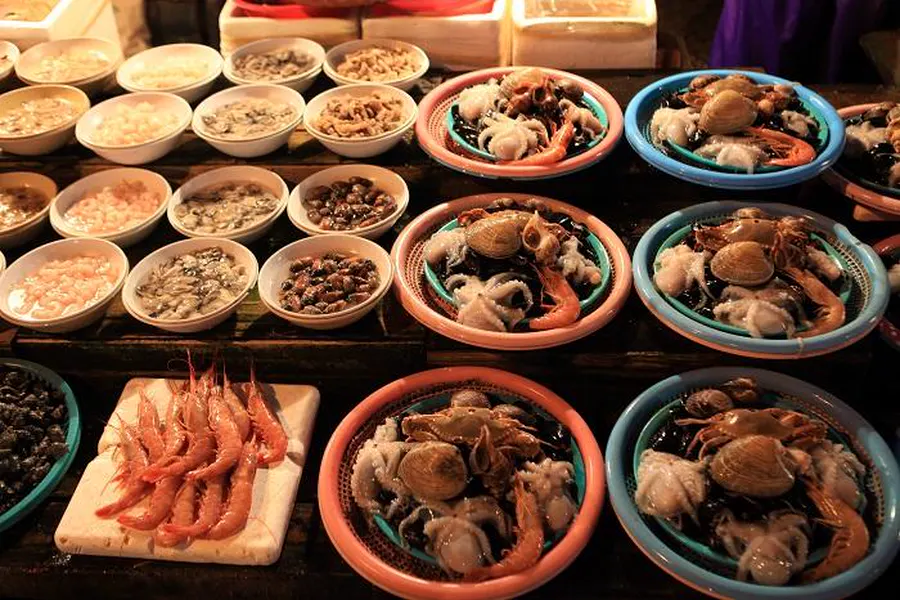
Use one port-side outing to cover several stops
Count how many stops fit after each cross-city ride. One full west-side day can justify the round trip; returning midday and crossing back at night repeats the cost.
Crossing town in both directions in one day is a stronger reason to reconsider the base than one long journey.
Compare where each evening ends
Seomyeon helps when friends split up and regroup for dinner. Nampo works when the market and port remain the evening plan.
For families who return midday, stay near the area used that day. Check the exact entrance, slopes, elevators and taxi access.
Treat arrival location as one part of the trip
The cited airport reference dated 10 August 2026 listed taxi estimates of about 45 minutes/KRW 18,000 to the west-side LOTTE area and 60 minutes/KRW 20,000 to Jagalchi. Traffic and late surcharges change the ride; check current airport information.
The cited Line 1 route has fewer stops from Busan Station to Nampo-dong than to Seomyeon. Consider that arrival once, then weigh the days that follow.
Count west-side days, not destination names
One Gamcheon visit does not settle the base if the other days are on the east coast. Count repeated port-side routes.
If Gamcheon, Yeongdo, Jagalchi and the old town span several half-days, Nampo can keep them together. If they fit one west-side day, Seomyeon remains workable.
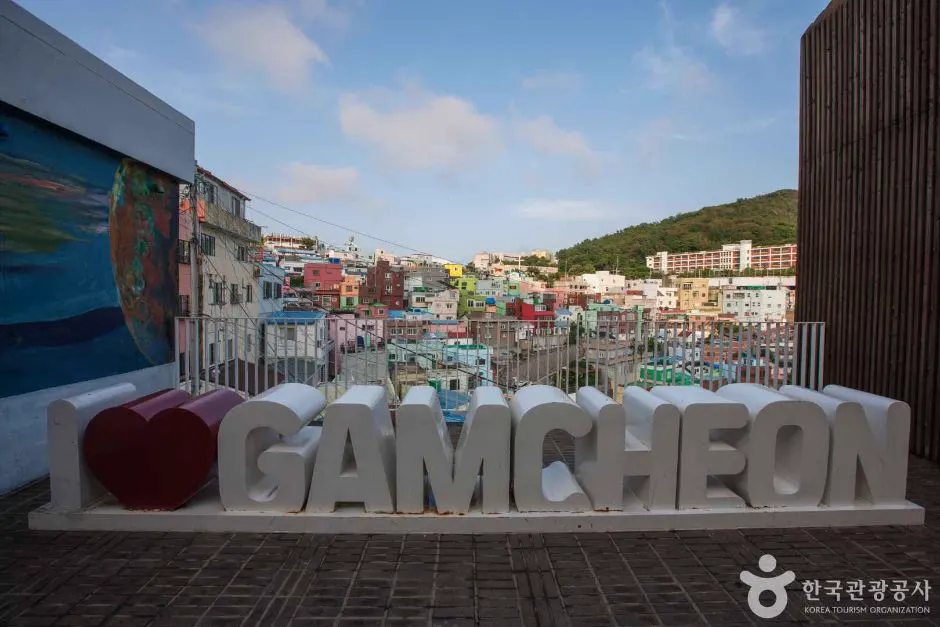
Four route patterns
Scenario A — Three nights with stops spread across the city: Seomyeon is more adaptable while the route remains varied.
Scenario B — Three nights with two west-side days: Nampo may reduce repeat market and port transfers.
Scenario C — Four nights with two east-side days: compare Haeundae or Gwangalli before forcing this choice. See Review the Busan base options →. See Seomyeon and Haeundae.
Scenario D — Friends regroup at dinner after separate plans: Seomyeon gives a meeting point; Nampo fits evenings that stay west.
Map four days of starts and finishes
Draw each day’s first and last stop. Compare Seomyeon when routes spread out, Nampo when they cluster southwest, and a coastal base when most stops are east.
Scattered routes point to Seomyeon; repeated port-side days point to Nampo; east-heavy plans need a coastal option.
Already decided to stay in Seomyeon?
For Seomyeon, compare the station side, late walk, luggage route and room capacity.
Already decided to stay in Nampo-dong?
For Nampo-dong, choose the station and street you will use most often.
Choose the base that shortens trips you repeat, not the map’s midpoint.
Transport and market details checked 10 August 2026; figures are a dated snapshot. Recheck current fares, opening, services and road conditions.
KriNavi decision card
Choose the base that shortens routes you repeat.
West-side clusters favour Nampo; varied directions may favour Seomyeon.