
KRINAVI TRIP FIT
Score withheld
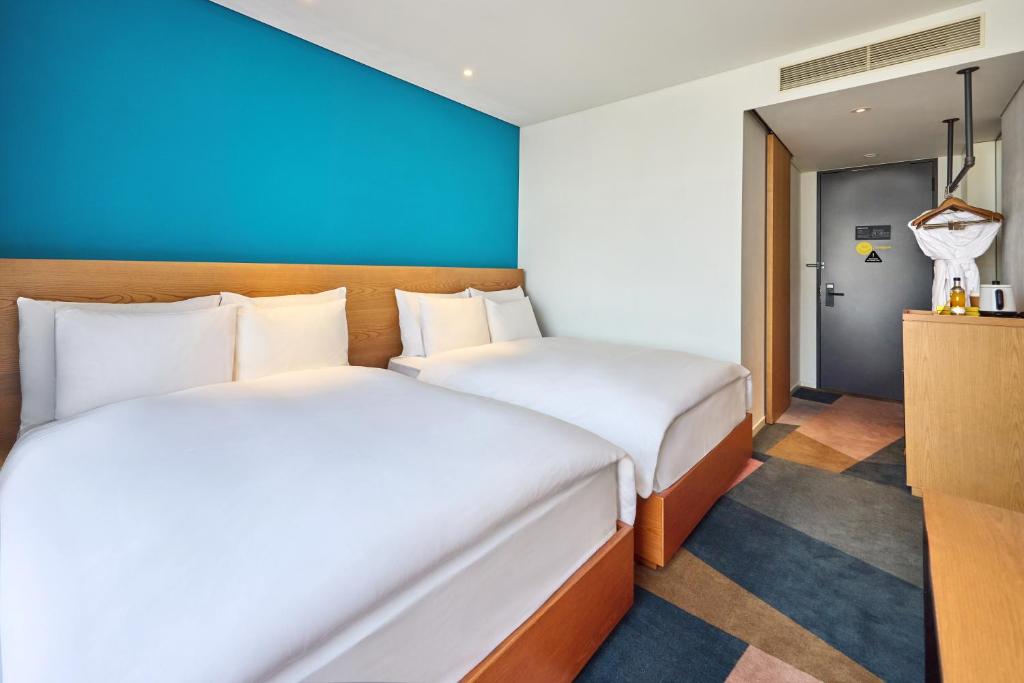
For a Seoul trip with friends, decide room size from the group’s actual sleep, shower and return times. Three or four adults may need separate rooms when nights split or mornings start at different times; one larger room can work when the group moves together and the listed beds, floor space and bathroom suit everyone.
Start with the group’s return times
If everyone keeps similar hours, one larger room gives the group a shared meeting point. Check the confirmed beds, luggage space and bathroom capacity before comparing hotel extras.
Different bedtimes change the calculation. A late return can wake an early sleeper, and one shared key or bathroom can hold up the group. Two rooms may be worth comparing when this pattern repeats.
For three nights, note who returns first, who returns last and who needs to get up earliest. If the answers stay together, shortlist one room; if plans regularly diverge, price two rooms on the same dates.
Check the room after adding everyone’s luggage
“Sleeps four” only confirms a maximum occupancy claim. Check the exact bed layout, usable space once bags are open, bathroom access and whether people can get ready at the same time.
For three travellers, compare one triple room versus two rooms in Seoul with actual bed types, occupancy, bathroom access and luggage space. Friendship alone does not make an unsuitable layout workable.
One bathroom can set the morning schedule
If the group must leave at 8 a.m., showers, hair and makeup may begin much earlier. Room area alone does not show whether people can get ready together; compare the bathroom arrangement with any fixed tour, reservation or transport time.
A single room may suit a flexible group that wakes and returns together. Test it against the earliest planned morning, not an average day.
Choose a district by the trips it simplifies
Hongdae suits repeated west-side dinners and late evenings; Myeongdong can suit central shopping when the group expects to return to the room and go out again. Choose the area from those routines, not its reputation.
Put Hongdae first when airport-side arrival and several west-side evenings match your plan. Then compare L7 Hongdae and Holiday Inn Express Seoul Hongdae by room layout and the route home.
Put Myeongdong first when central visits and shopping returns repeat. Compare Moxy Seoul Myeongdong and Nine Tree Premier Hotel Myeongdong 2 against your likely room breaks and final transport.
If both areas remain in the itinerary, use Hongdae vs Myeongdong to decide whether one or both should be hotel bases.

Confirm the bed arrangement before choosing one room
After deciding to stay together, check an exact triple, family, twin-plus-extra-bed or two-double setup. Read the property’s occupancy and bed wording for the chosen room and dates.
A search result’s “Triple Room” label is not enough. Verify the third bed, occupancy, rollaway rules, breakfast charge and cancellation terms. Use Seoul triple-room checklist if the room still needs checking.
Two rooms help only if the group uses the separation
Separate rooms can solve different sleep and bathroom routines, but they add cost and may not be next to each other. They suit groups who already split into pairs or need different return times more than groups who stay together all day.
Adjacent or connecting rooms depend on the property and date. Keep a cancellable option until the hotel confirms any required arrangement.
Calculate the extra room per person and night
Subtract the one-room total from the two-room total, then divide by the number of guests and nights. That gives a comparable per-person cost for another sleep space and bathroom.
When everyone wakes and returns together, the extra room may add little. If a late return regularly overlaps an early start, it may reduce lost sleep and waiting. Use your dates; room prices vary too much for a universal threshold.
An upgrade changes the stay; a second room changes how the group functions. If the budget covers one, decide whether shared amenities or separate sleep and shower routines matter more to this trip.
Pay for amenities the group will actually use
A breakfast, pool, rooftop, laundry or lounge can look useful because somebody might use it. Compare the whole group’s likely use with the nightly price instead of treating every amenity as a shared need.
Ask whether an upgrade solves a problem for most of the group. For breakfast, see Seoul hotel breakfast decision; for different sleep times, Seoul hotel sleep-quality test addresses the room itself.
Plan the actual night route
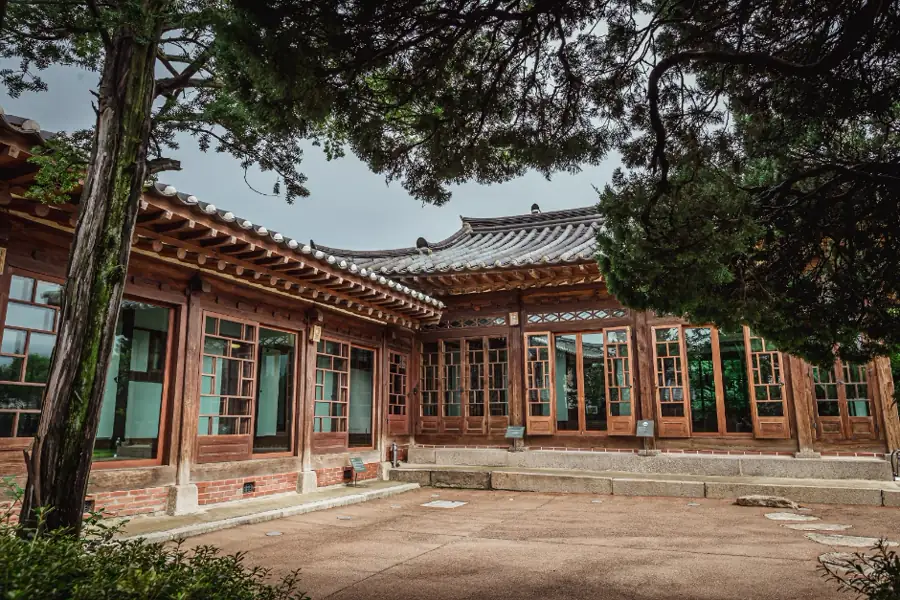
Write down where the last activity ends, its likely finish time, the station or street segment to the hotel and the return option for anyone leaving early. A broad district-level safety label cannot replace that route check.
Subway, bus and taxi options depend on time and service. Recheck the same-day last transport for a late show or dinner and keep a realistic alternative.
Room shortlist by group pattern
| Group situation | Room type to compare first | Check before booking |
|---|---|---|
| Three adults, similar hours and light luggage | Start with a genuine triple room | Confirm the third bed, occupancy, bathroom and space for bags. |
| Three adults; one early sleeper or remote worker | Compare two rooms as well | Check the same-date price difference and whether rooms can be close. |
| Four adults who travel together | Keep a verified multi-person room on the list | Confirm every bed and the official occupancy for the exact room. |
| Four adults with different evening plans | Price two rooms against the group’s schedule | Decide who holds keys and how early or late returns work. |
| Shopping days include a room break | Compare Myeongdong and other central bases | Check whether the property sits on the actual return route. |
| West-side plans and late evenings repeat | Compare Hongdae first | Check whether arrival or departure also benefits from that base. |
Open the page that answers the remaining decision
If room count is unsettled, return to the multi-person room versus two-room decision. For Hongdae, compare L7 Hongdae and Holiday Inn Express Seoul Hongdae. For central Seoul, compare Moxy Seoul Myeongdong and Nine Tree Premier Myeongdong 2 by the exact room type and route rather than restarting a citywide search.
Sources and booking conditions
- Seoul Tourism Organization / Visit Seoul: Hongdae destination information, checked August 20, 2026.
- Seoul Tourism Organization / Visit Seoul: Myeongdong destination information, checked August 20, 2026.
- Seoul Tourism Organization / Visit Seoul: Seoul transportation information, checked August 20, 2026.
- Real street photography: Luke Ow, Rebecca Clarke and Cait Ellis / Unsplash; each source page states the image is usable under the Unsplash License, checked August 20, 2026.
- KRINAVI’s existing Seoul hotel and room-type decision pages. Bed types, occupancy, connecting-room arrangements, breakfast, cancellation terms and prices remain date- and rate-specific and must be rechecked before payment.
Use this page to compare room arrangements and routes, not as a district-wide safety guarantee. Room types, occupancy, connecting-room requests, facilities and transport vary by property and date.