
KRINAVI TRIP FIT
KRINAVI Trip Fit
75/100Choose the base around the traveller most likely to need a midday return, then check whether the rest of the group can continue nearby.
- Time efficiency70/100
- Route fit85/100
- Planning flexibility70/100
- Weather resilience70/100
- Crowd control70/100
- Value for cost85/100
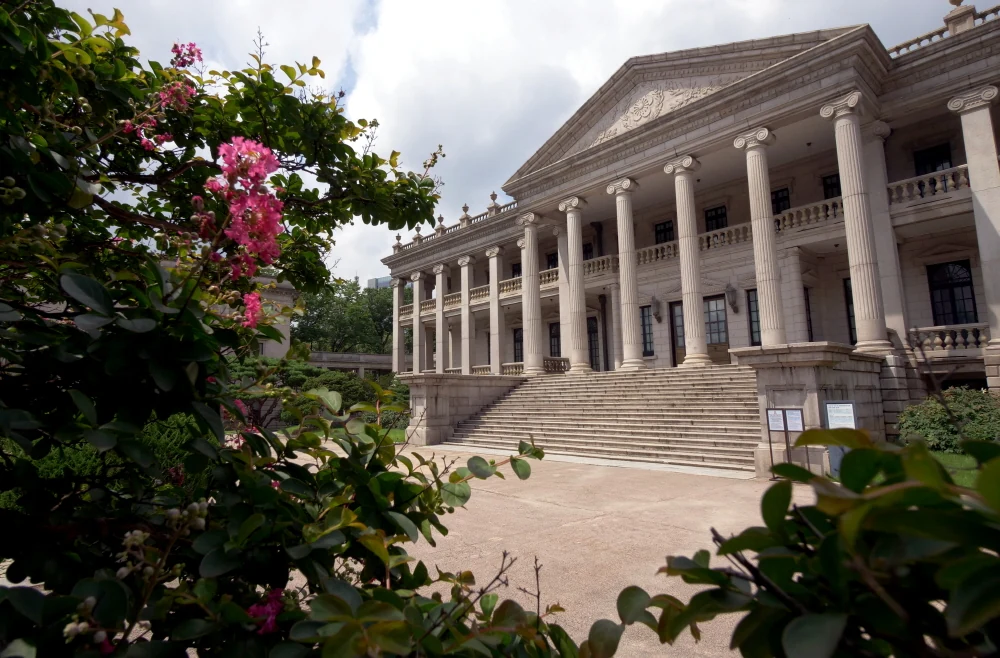
Start with four details: who returns, how they reach the room, what others do while they rest, and where the afternoon continues. Central Seoul bases can suit this pattern when the return is short and the next outing remains nearby. If a break is unlikely on most days, do not pay a nightly premium for it.
Plan for the person who returns first
A daily rest can split the group. A child may need a nap while an adult stays close; an older traveller may return while others keep exploring. Plan for the returning person’s stamina and route, not only the full group’s evening trip.
If everyone returns together, compare the slower-day base in general Seoul hotel base for travelers who return to the hotel every day. This page is for trips where stamina differs and one person may turn back while the others continue.
Separate a scheduled slow day from an unplanned rest
| Who returns? | Check before booking | Area to compare |
|---|---|---|
| One adult takes a toddler back while the others shop | A short return and nearby food or errands | Myeongdong/Euljiro or City Hall |
| An older traveller rests while younger guests continue | A simple route without a difficult transfer or exit | City Hall/Namdaemun or Jongno |
| The full group returns together | A useful daytime room and little route detour | The shared centre of morning and afternoon plans |
| A rest may be needed only once or twice | The main route matters more than a hypothetical break | A general Seoul area comparison |
Draw both routes: one for the person returning and one for those staying out. Check whether the return route involves a transfer, stairs or a long underground passage, then see whether the hotel area has a useful nearby errand or meal.
Decide whether one traveller or everyone goes back
Official Seoul accessibility pages list station lifts, escalators and related facilities; Visit Seoul also provides barrier-free information for historic sites. These details help narrow the route, but do not establish that a specific hotel entrance is step-free.
Before booking, identify the station exit, lift, crossings, slope and final approach the least mobile traveller would use. Recheck current station facilities and any construction or service notices close to travel.
Check the exact station-to-hotel path
A Myeongdong or Euljiro return can leave the person staying out with nearby places to eat, shop for essentials or meet the group later. This is useful only when central errands already belong in the itinerary.
Compare Nine Tree Premier Hotel Myeongdong 2 if one traveller may return before the others; consider Moxy Seoul Myeongdong when several evenings end around Myeongdong. Check beds, bathroom access, luggage space and noise for the actual room.
Myeongdong and Euljiro keep central errands close
City Hall and Namdaemun can sit between palace visits, shopping and central Seoul. One adult can take a child or older parent back while the rest of the group handles a short nearby task.
Use ENA Suite Hotel Namdaemun when its room and central location would support a real daytime stay. If everyone will be out until night, those facilities and extra space may add little to this trip.
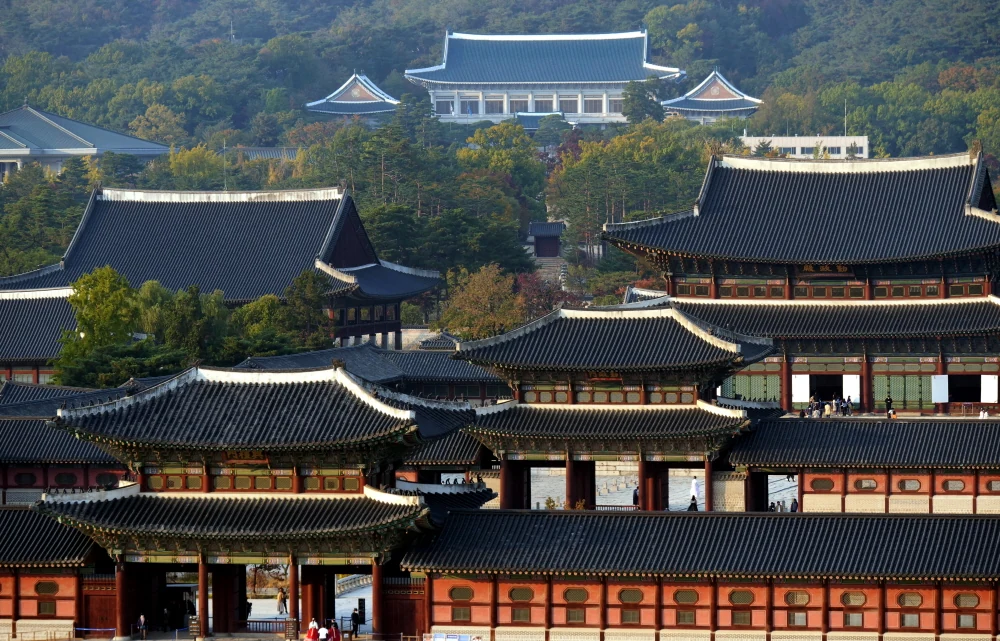
City Hall and Namdaemun can split the afternoon
Jongno fits when the morning visits Gyeongbokgung or Insadong and the afternoon also stays central. Official barrier-free information for Gyeongbokgung is a prompt to inspect access in detail, not a guarantee about every route or entrance.
If this pattern repeats, compare AMID Hotel Seoul with the planned route. A Jongno hotel adds a return detour when the afternoon and evening consistently move elsewhere.
Jongno suits a repeated palace-and-Insadong route
If the room is used for a nap or recovery each day, check where the stroller, opened cases and resting person will fit at once. Bed configuration, bathroom layout and a quiet sleeping area become itinerary requirements.
For three generations, test how easily the older traveller can get in and out of each bed and whether the others can move around during a rest. A four-person occupancy figure says nothing about daytime comfort.
A room used at midday needs usable floor and beds
An hour or two in the room each afternoon can make a separate sleeping area or usable seating more valuable than a view. A large suite is still unnecessary if only one person rests and everyone else leaves.
Compare the room by its actual use: who sleeps, who stays awake and where bags or devices go. Choose an upgrade only when the room solves that daily overlap.
Price the hours you will spend in the room
Do not rely on a scheduled nap happening at an exact time. A hotel that lies on two or three natural routes is more dependable than one that requires a special trip each day.
Use the Seoul where-to-stay area comparison first if your main activity areas are not settled. Give the midday return more weight only when a child or older traveller is likely to need it repeatedly.
Choose a hotel that sits on the natural route
A taxi can help after a tiring afternoon, but repeated cross-city rides suggest the hotel is off the group’s normal route. Consider the traffic, pickup point and accessibility as well as the fare.
Keep taxis for occasional recovery trips. If the plan depends on one every day, compare whether one Seoul hotel or two bases would remove the detours more reliably.
Keep taxis as a backup
This base is less useful when everyone comfortably stays out all day, the itinerary changes districts every day, or a rest is likely only once. In those cases, choose by the trip’s main route or room requirements instead.
For a slow itinerary where the whole group returns together, use daily-return slow-travel hotel base guide. For mobility needs, prioritize the final walking segment and verified access information.
When a midday base is the wrong priority
Choose a district where the person who needs rest can return without making the others abandon the day. Myeongdong/Euljiro, City Hall/Namdaemun and Jongno serve different central-Seoul routes.
For each hotel, check the returning traveller’s full route, the room’s daytime layout, nearby options for the others and the next destination after the break. A station name alone does not answer those questions.
Sources and verification
- Visit Seoul | Accessible Seoul: accessibility travel information and Seoul Danurim services; rechecked 2026-08-20.
- Seoul Metropolitan Government | Subway Accessibility Facilities: station data for elevators, escalators and other accessibility facilities; rechecked 2026-08-20.
- Visit Seoul | Barrier-Free Gyeongbokgung Palace: barrier-free walking information for older visitors, wheelchair users and stroller users; page edited 2025-06-23 and rechecked 2026-08-20.
- Seoul Metropolitan Government | Deoksugung Palace Editorial Photos: source for the Deoksugung image used in this article.
- Seoul Metropolitan Government | Gyeongbokgung Palace Editorial Photos: source for the Gyeongbokgung image used in this article.
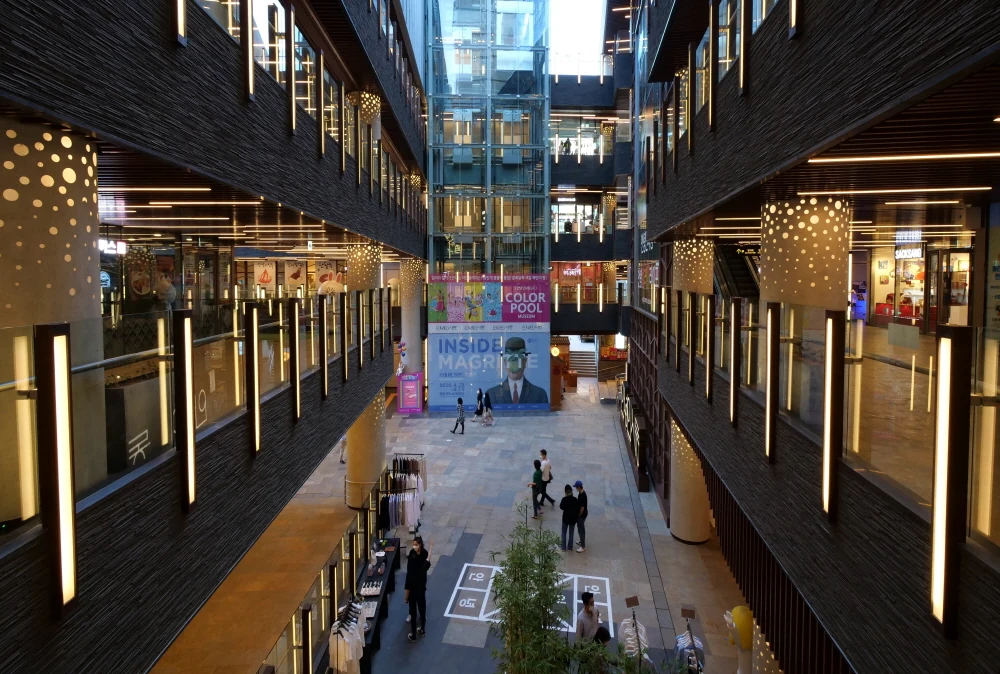
- Seoul Metropolitan Government | Insa-dong Editorial Photos: source for the Insadong image used in this article.
Actual arrangements may vary by date, room type, season, transportation-facility maintenance and hotel operating policies. Recheck the latest official or booking-platform information before booking.
KriNavi decision card
Best use: choose a Seoul base for the person who needs to return first, while keeping the rest of the group’s day workable.
Compare the return path, room layout and nearby alternatives against the family’s actual route; the most central address is not automatically the easiest.
Sources checked in this page: Source 1 · Source 2 · Source 3 · Source 4