
Decide which Jongno morning matters
“Jongno” covers different pockets near Gyeongbokgung, Bukchon, Insa-dong, the central roads and Gwanghwamun. Compare the exact hotel address with your first stop and the nearest station before using the district name to shortlist it.
Staying nearby can save an early transfer when the palace and old-town lanes are a priority. The trade-off appears on evenings spent in southern or western Seoul: you still need to return north. Compare the morning time saved with the journeys you will repeat at night.
When does staying in Jongno change the trip?
- List the palace, old-town and market stops, then mark the one morning that truly benefits from a nearby start. Check whether the hotel can remove a transfer or make a rest break possible; if it only saves a few minutes, the added night returns may outweigh that gain.
- Use a five-day Seoul itinerary to map how much time the old town deserves, then compare that morning with the transfer your actual hotel address requires.
- Choose a Jongno address when early old-town access is central to the trip. If nights end in Myeongdong, compare a Myeongdong stay guide before choosing a base.
Staying in Jongno isn’t about cramming five palaces into your schedule—it’s about making sure one of the most important mornings doesn’t require commuting first.
Check how each night ends
- If shopping or evening plans end elsewhere, include the ride, transfers and final walk back before choosing the base.
- A north-side hotel can make palace mornings simpler when the exact address matches the planned entrance.
- Keep Jongno out of the shortlist when most days and nights end in another part of Seoul.
For each late evening, note where dinner, a performance or an event ends. Include the transfer, expected wait and pickup point if you might need a taxi. One late return may be manageable; the same trip on several nights can make another base more practical.
If your plans end in Hongdae, compare Hongdae stay options. For consecutive nights in Gangnam, compare Gangnam stay options with the return to Jongno.
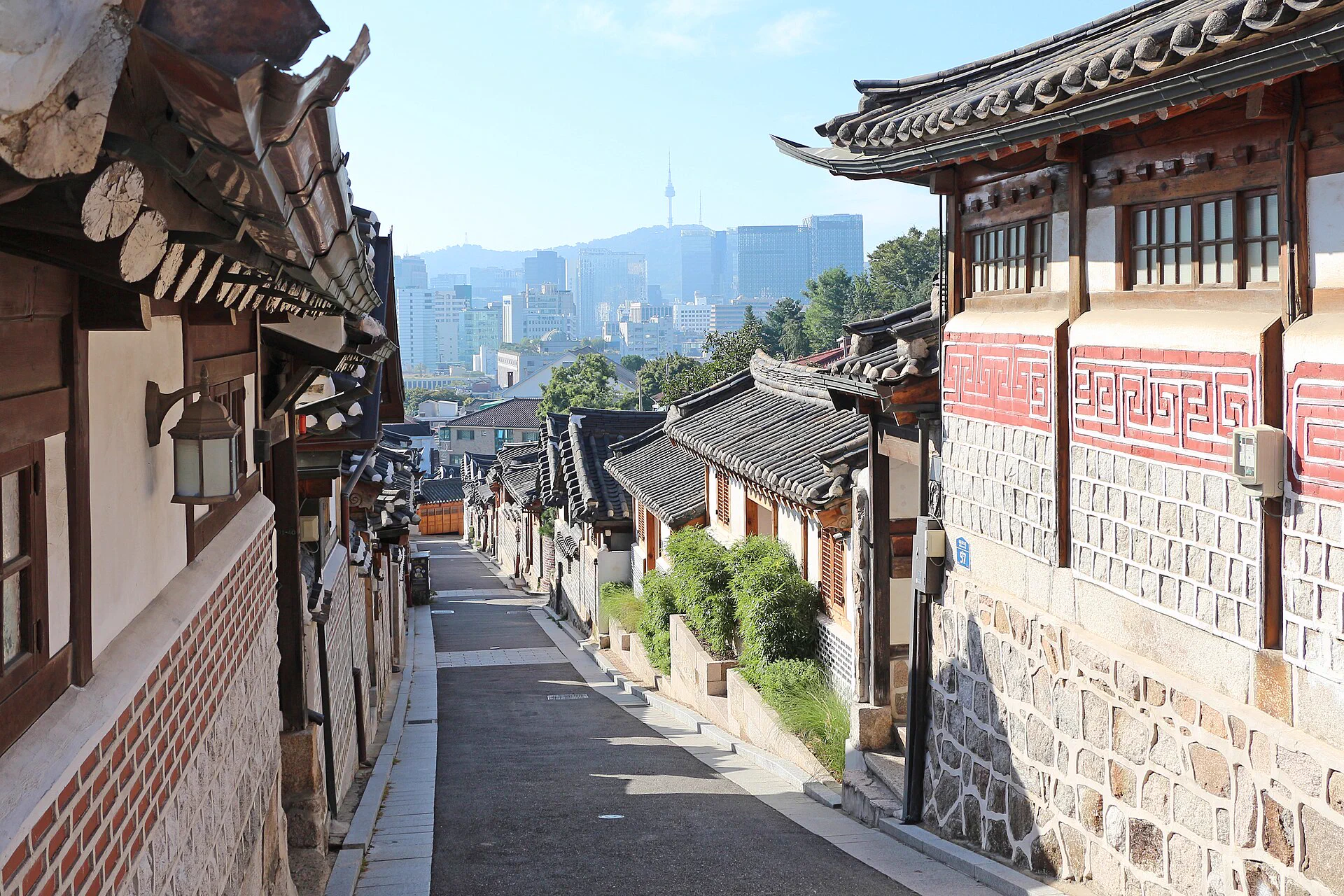
Neighbourhood labels are not exact locations
- Anukgol & Bukchon direction|Put walking first
- This is a fit when palaces, Bukchon, or alley-walking are the main attractions—and when you’re willing to trade a slower nighttime pace for an earlier morning. When booking, check the actual slopes, alley layout, your luggage route, and the nearest transport that will be usable. Don’t decide based only on the straight-line distance between attractions.
- Insa-dong & Ikseon-dong area|Extend old town life to dinner
- If your daytime itinerary can naturally connect to dinner, a tea house, or a stroll, you’ll see the accommodation advantage show up a second time. The trade-off is that the popular street sections and the quiet little roads are close but not far—if you’re sensitive to noise or you won’t want to come back late, you still need to read recent reviews and check the hotel entrance.
- Near Jongno’s main transport axis|Get more transfer options in exchange for a more “local” feel
- It’s not only about walking to the palaces; you also need to go to other directions around the city. An address closer to clearer transport lines may be more practical. It may not give you the quietest old-town morning, but it can reduce how fragile your daily trip back to your room is. Still, “near Jongno Station” needs to be verified for which exact segment and which entrance.
- Gwanghwamun & the office districts direction|Service the west side of Gyeongbokgung and central-city itineraries
- Your route will connect City Hall, Gwanghwamun, and the palaces on the west side—this area can make daytime paths feel more streamlined. But the street atmosphere at night and on weekends may feel different. Don’t infer where you’ll eat and how you’ll get supplies just from daytime office density; check the real options for the time you’ll arrive before you book.
A hotel labelled Jongno or Insa-dong may still be a long walk from the palace or a useful station. Check the route from its entrance to your first stop, transport and the final walk back after dark.
Leave one afternoon open for a break
Gyeongbokgung, Bukchon, Insa-dong, Ikseon-dong and the markets can look close on a map, but their slopes, queues and walking time add up. Choose one main stop and one nearby area; keep a third only if energy and weather allow.
Rain, heat and cold can shorten the outdoor portion. Keep the day’s main reservation fixed and move optional stops to another day instead of filling a bad-weather afternoon with a long cross-city transfer.
A nearby room makes a midday rest possible between a palace morning and an evening meal. That helps families or slower walkers only if check-in, luggage and the next stop make the return practical.
Plan the airport leg separately
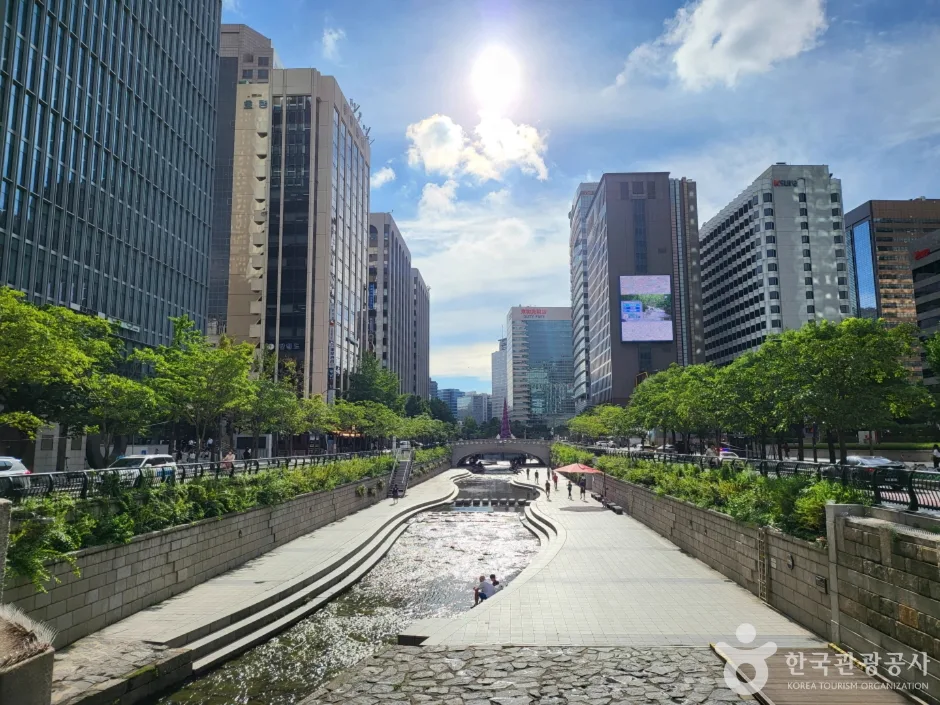
Compare the address, not the area name
Compare exact addresses, room and cancellation terms for the same dates and party. Use Seoul hotel return test to review late returns and Seoul transit card guide when choosing a transit card.
Is Jongno the right base?
A Jongno address earns its place when it shortens a morning you care about and does not add several difficult evening returns.
Use the old town as a base when the first visits start nearby. If your schedule is mostly elsewhere, choose lodging by the repeated late journey rather than the district’s cultural label.