
KRINAVI TRIP FIT
KRINAVI Trip Fit
70/100Four days in Jeju without a car: one base or two hotels?。
- Time efficiency70/100
- Route fit85/100
- Planning flexibility65/100
- Weather resilience65/100
- Crowd control65/100
- Value for cost70/100
With four days and no car, the hotel decision turns on the two middle days: do their first and last bus legs point to the same base, or does moving once remove more travel than it costs?
Give each day a job before choosing a base
| Day | Plan around | What it means for lodging |
|---|---|---|
| Arrival | Airport transfer, bags and the first usable connection | Do not count a late landing as a full island day. |
| First full day | Group stops that share a direction; check the return connection | Keep the same base if it gives a workable evening return. |
| Second full day | Compare its first and last legs with the previous day | A second base helps only if it shortens repeated journeys. |
| Departure | Airport route and the time needed to reach it | Decide separately whether an early flight merits a final Jeju City night. |
For each full day, save the date-specific first connection, latest practical return and one optional stop to drop if a bus is delayed or the weather changes. The Jeju bus guide covers the no-car trade-offs; check the operator’s timetable for your actual date before fixing a hotel.
One base protects the two full days from a luggage deadline
A single hotel is the simpler choice when both days can start from the same area or when the routes change with weather and energy. A longer day trip by itself does not repay checkout, bag storage and a second check-in. Jeju City and Seogwipo are different bases: compare their actual bus legs rather than choosing the island’s map centre.
For an east-side day, include Seongsan’s first and last connections in the same calculation.

A split only helps when the move follows the route
Move after the first full day only if the next day begins from the new area and the transfer can replace part of the route. Sightseeing around the old hotel before crossing the island often spends the time the move was meant to save. Several large bags, children or slower check-ins raise that cost; a carry-on makes it easier, but does not remove the timetable change.
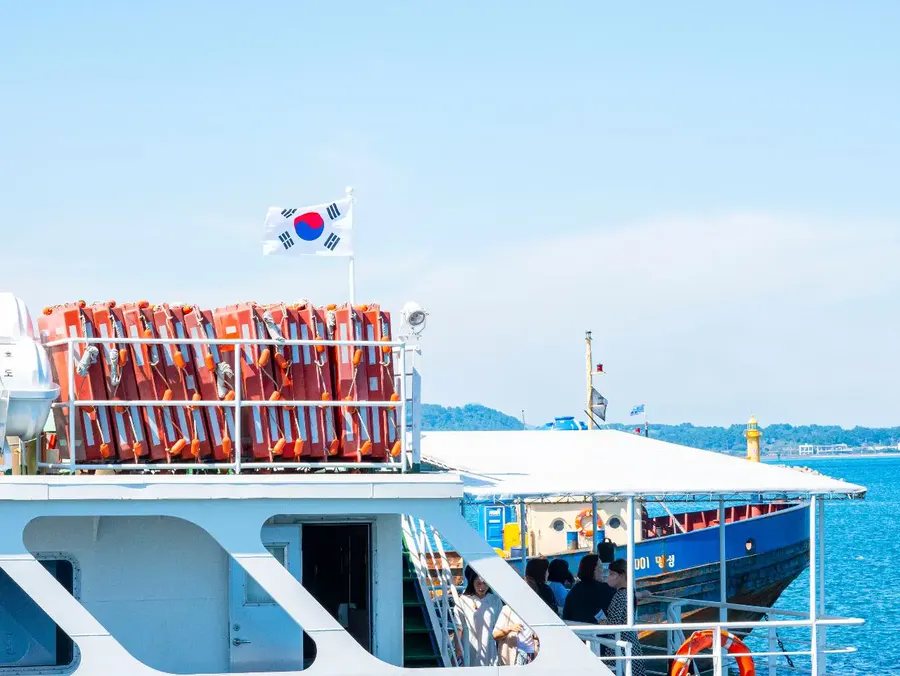
A Udo ferry visit adds a departure and return point to the day. Verify the date’s ferry and onward bus connections before deciding whether to sleep east or return to the existing base.
Keep the last night tied to the airport journey
An early flight may make a separate final night near Jeju City useful; with a later departure, check the actual airport connection and luggage plan before moving. See where to stay before an early flight. Travelers who need more room should compare one family room with two rooms; older travelers may prefer the transfer comparison in Jeju City versus Seogwipo.
Use Jeju City or Seogwipo as the actual route candidates, then compare properties through Jeju hotel comparisons. Visit Jeju’s official tourism information is the retained destination reference. Bus, ferry and airport services can change; no specific timetable is assumed here.
KriNavi decision card
Source links checked for this guide: Source 1