
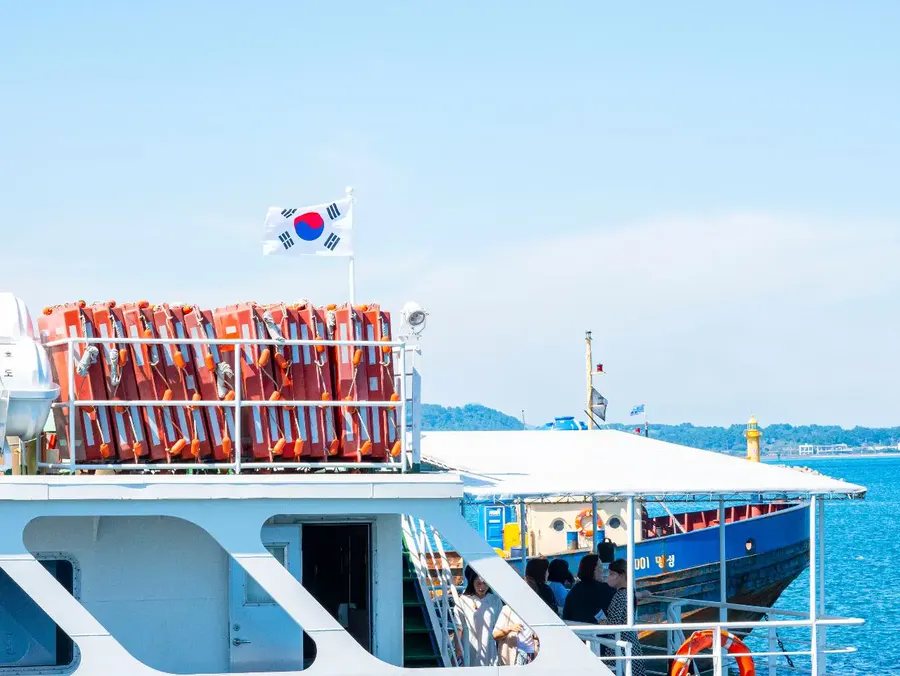
Seomjin Train Village is easiest to plan when the timed railway ride and the more flexible river visit are separate parts of the day. Keep the train as the anchor if the ride is the reason to come; use the station grounds and Seomjingang for a slower landscape visit when the schedule does not fit.
Choose the route before buying a ticket
- Choose the steam train when the moving view and railway setting are the main experience.
- Choose the station and river when the group prefers to pause for food, photos and local scenery.
- Treat the rail bike as an alternative unless the group has time, ability and weather for both activities.
- Use two days when one traveller wants a detailed railway visit and another needs a shorter walk or early return.
Allow time for the station grounds
The old Gokseong station grounds bring together a railway setting, gardens, family facilities, food and views toward the river. The train is one way to experience the valley, not a shortcut through every part of the site. Include arrival, platform, boarding, getting off and the return to the grounds in the plan.
The river has its own pace and weather exposure. Choose one confirmed public bank, bridge or path rather than promising a walk along the whole river. Keep seating and a short exit available for stroller users, tired children or anyone who dislikes uneven ground.
Four ways to arrange the day
| Version | Sequence | Best for | Trade-off |
|---|---|---|---|
| Steam-train anchor | Old Gokseong Station entrance → short park look → confirmed steam train → return to station → meal | First visit and anyone who wants the railway story in motion | Only one garden or family facility fits comfortably |
| Slow station and river | Old station → railway interpretation → short Seomjin riverside walk → lunch → early return | Travellers who value flexible pace and scenery | You give up the fixed train view |
| Rail-bike choice | Check the rail-bike slot → ride at a comfortable pace → rest → station or river chapter | Active groups who prefer control over a timetable | Pedalling and boarding can be harder than the photos suggest |
| Two-day valley stay | Day one: train village; day two: river, nearby villages or another confirmed stop | Families, photographers and mixed-pace groups | An overnight stay costs more but removes the return race |
Plan the local transfer before arrival
From Gwangju, Suncheon or Jeonju, check the last local leg to the old station area, not just the intercity arrival in Gokseong. Decide where bags can be left and how the group will return after the final activity. A taxi can protect a reserved departure; a bus may suit a looser schedule.
Leave time after the train for a toilet stop, photographs, a slower walk to the gate and luggage retrieval. If the return bus or intercity connection is fixed, end the attraction visit before the last possible departure. Cut optional river distance before cutting the journey home.
The rail bike needs a separate check: who can board, whether children require an accompanying adult, what happens in rain, how long the ride takes and where it ends. If the group is tired afterward, choose a meal or rest at the station instead of a long river walk.
Seasonal conditions for the station and river
Do not assume the steam train and rail bike share a ticket, timetable or route. Confirm each activity with its operator and select the one that fits the group’s time and ability.
In spring, fresh growth can make the grounds inviting, while rain may leave the river edge or rail-bike surfaces slick. Keep the optional outdoor loop until after checking the ground.
Summer daylight can allow a river stop, but heat, humidity and storms make exposed waiting harder. Carry water, look for shade and use the hottest part of the day for a meal or indoor rest.
Autumn is comfortable for a slower train ride, though weekend traffic, events and queues can lengthen the visit. Decide whether the complete railway activity is essential before adding more grounds.
Keep the family plan focused
Cold platforms, early darkness and river wind favour a shorter outdoor plan in winter. Keep the station, a confirmed train and a warm meal as the main sequence; walk the river only while light and footing are comfortable.
The grounds may offer enough for a family afternoon without every ride or display. Choose one railway activity and one rest block. Children may need food after waiting; older travellers may prefer a platform view to a rail bike. Agree on a meeting point with a visible landmark.
When an overnight stay helps
Choose a base for the next movement
Gokseong town or station-area stay
A non-rider can still share the railway and valley story from public paths. Stay clear of working tracks, restricted areas and unstable edges. Keep the route short enough that everyone can return easily.
See Gokseong town staysSeomjin valley guesthouse
A town or station-side room helps when the train fixes the day and the next morning starts with a connection. It reduces luggage handling and keeps dinner and departure in one direction. Confirm storage and early departure arrangements.
Find a Seomjin valley baseA riverside guesthouse can fit a second day among villages and water, but it may make the evening connection harder. Check late arrival, food nearby and how luggage moves from the station before choosing it.
Build a route that can absorb a delay
- State whether the train, old station or river is the day’s anchor.
- Confirm the date-specific departure, ticket, entrance, ride conditions and final connection.
- Add one optional facility only after food and rest are planned.
- Give non-riders and slower walkers a complete short route with a meeting point.
- Remove river distance before risking the return connection.
Questions to settle before departure
Is the steam train essential?
A town base simplifies the train timetable and evening meal; a riverside room is more useful when the next morning is another landscape visit.
Can the rail bike follow the train?
No. The train matters when the moving railway view is the main reason for the visit. The old station, grounds and a confirmed river section can still make a complete route.
How long should the riverside walk be?
Only when the current slot, rider ability, weather and return margin fit. Many groups will find the rail bike a substitute for the train rather than an extra activity.
What should families do first?
No. A short public section can provide river context. Choose a length the group can enjoy and still reach its return connection.
Give the railway visit a clear beginning and end
Fix the train or the one activity children most want, then place a meal and rest before another queue.
Decide whether the group came for railway history, a ride or the river. If the train sells out, the old station can still carry the visit; if the river is the goal, avoid letting a late train booking consume the best light.
Count the station, ride and river as separate blocks
End at a deliberate exit. Set a departure time, share the meeting point and allow time to reach the bus or car. The last photograph should not determine whether the group makes its connection.
Count arrival and bag storage, ticketing and waiting, the ride and disembarkation, then the flexible block for food or river. If one stage runs late, shorten the last block rather than borrowing time from the return.
Food and weather near the river
Eat before hunger becomes the next decision. Keep a simple alternative for someone who does not want a queue, and check seating, dietary options and waste rules instead of assuming every facility suits the group.
Heat, wind, rain and cold can make the same river view comfortable for ten minutes or too exposed to enjoy. A shaded bench, bridge view or short public path can connect the railway to the valley without committing to a long walk.
When two days make sense
Consider two days when the group has a fixed train booking, a long journey to Gokseong, or wants both a relaxed station visit and a proper river walk. Use one day for the train, meal and old station; reserve the river for the next morning if the weather allows.
Choose a base that supports the next chapter. A room near the station helps with rail or road connections; a valley-side room can shorten the morning transfer to the river. Avoid a scenic stay that creates an uncertain night taxi.
Small details that prevent a rushed finish
Check late arrival, meals, luggage, temperature control and the next transport point. The useful room is the one that removes the weakest transfer after a full day.
Final route decision
Write one anchor, one optional outdoor section and one firm return time. Confirm the exact departure or riding slot, entrance, weather and room. Make the river the first cut if a queue or delay uses the buffer.