
Start at Byeokgolje to understand the irrigation story, then use a short public-edge walk to read the rice plain. Planting, green growth and harvest change the landscape, but the route should stay within current public access.
Read the plain through water and fields
Heritage first
A heritage-first visit can begin with water management and the surrounding history, then finish with a short field-edge view. It works outside event dates, subject to current opening and site notices.
Season first
A season-led visit follows what is actually happening in the fields. Observe from public routes and keep clear of active work areas; do not enter farmland for a closer view.
Festival day
Stay in Gimje town, visit the rural area during daylight, then return for dinner. Avoid relying on a late connection from the countryside.
Rail and bus day
From Gimje station or a regional connection, make the transfer to the plain the first fixed leg. Driving offers more flexibility but requires legal parking beside rural lanes; buses need a check of the last useful service.
Connect the three kinds of place
A taxi can cover the final rural link when a return is arranged. It is not a substitute for checking pickup and availability before relying on it at sunset.
Spring centres on planting preparation and water; summer brings green rice, heat and insects; autumn may align with harvest but fields can be busy with work; winter leaves a quieter, more open horizon.
Finish the day before rural transport thins
| Version | Order | Best for | Trade-off |
|---|---|---|---|
| Quiet heritage day | Byeokgolje → lunch → short field-edge walk → Gimje town | First visit and off-season travel | Less staged activity, more control over pace |
| Planting or harvest day | Public heritage → agreed farm-edge viewpoint → seasonal meal → early return | Travellers interested in working agriculture | Field work sets the timing; do not force a close-up experience |
| Festival day | Choose one programme → stay inside the event zone → observe the plain on the way out → town dinner | People who want public energy | Queues and traffic replace the quiet rural loop |
| Family route | Short indoor explanation → shaded embankment → meal and rest → one nearby view | Children and older travellers | Fewer kilometres, but better heat and toilet control |
Choose a town stay for rail or bus access, reliable dinner choices and an easier return after a rural afternoon. It suits first-time visitors, families and short daylight seasons.
Choose a base for the route
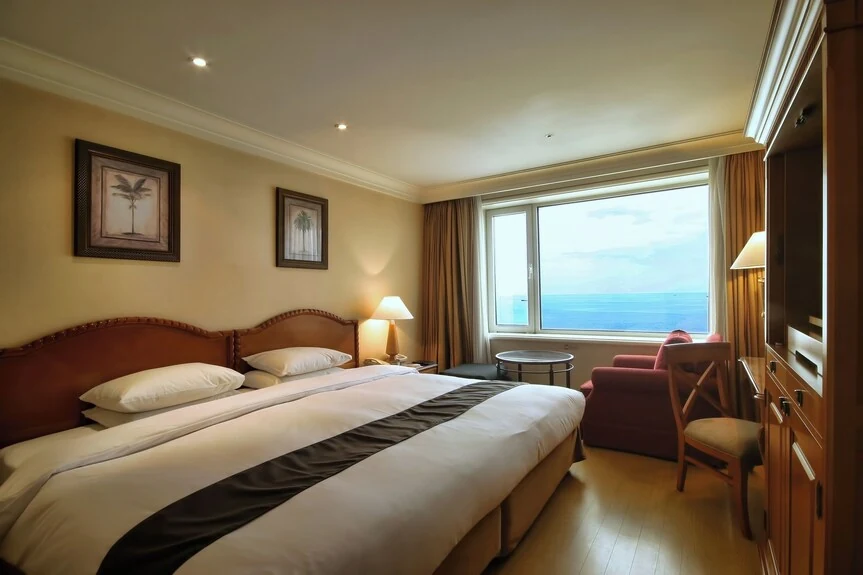
Gimje city hotel
A rural-edge stay can help with dawn light or an early festival entrance. It has fewer evening services, so arrange the return before arrival and confirm the current room location.
Find a stay that closes the Gimje route cleanly →Byeokgolje-area guesthouse
Town simplifies transport and meals; a rural base protects an early field visit. In either case, pair public heritage with one seasonal field view and leave the farmland itself undisturbed.
Make the choice simple
Use this order: understand the water, read the public field edge, let the season set the walk length, choose one meal and return before rural transport becomes the hardest part of the day.
If an event is running, confirm dates, zones, shuttle and final programme time. Keep the festival as a dated option rather than an assumed year-round activity.