
KRINAVI TRIP FIT
KRINAVI Trip Fit
75/100A coastal temple visit with steep steps and an East Busan transfer; leave time for the return climb.
- Time efficiency65/100
- Route fit85/100
- Planning flexibility85/100
- Weather resilience75/100
- Crowd control60/100
- Value for cost90/100
Haedong Yonggungsa combines a working Buddhist temple with a rocky shoreline and a steep stair route. Leave time for both the descent and the climb back, then choose a bus approach that fits your starting point.
A temple on the coast
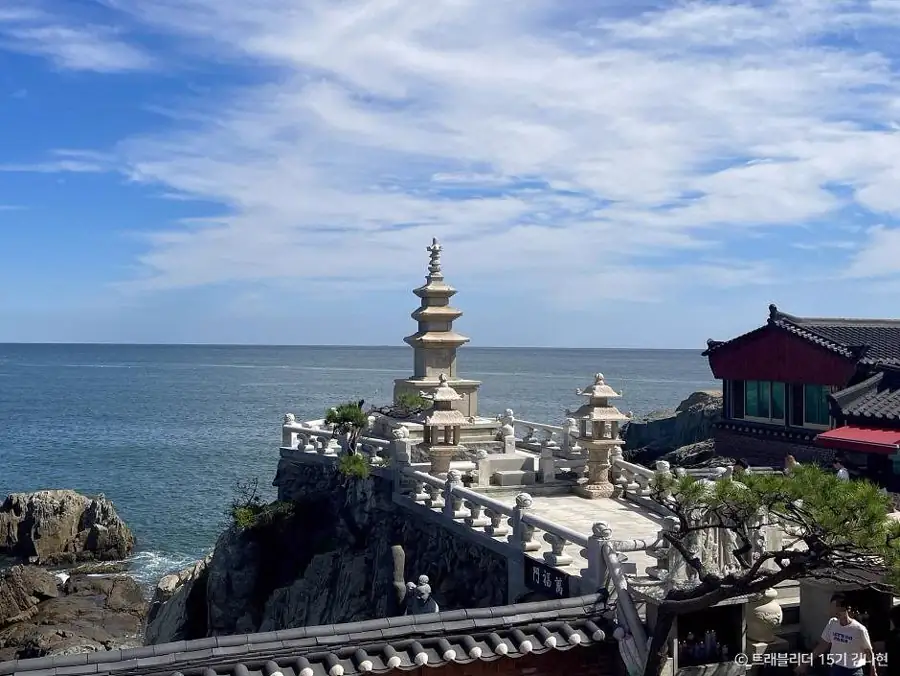
The temple stands on Busan’s north-eastern shore, where its halls and paths share space with the sea and active worship. The Korea Tourism Organization dates the temple’s founding to 1376; later rebuilding means that date is the traditional founding point, not the construction date of every building visitors see today.
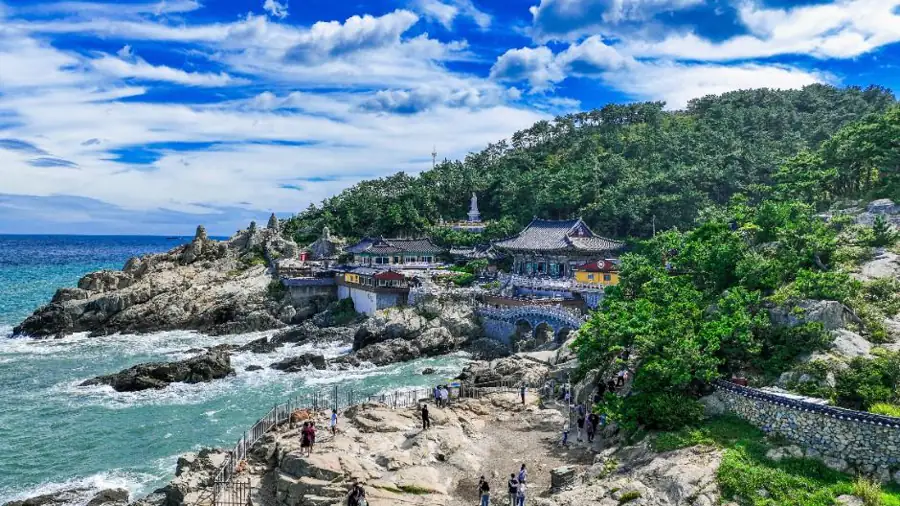
Visitors come for the coastal setting and temple grounds. Keep voices low inside, use the side doors when entering or leaving the Buddhist sanctuary and organise shoes as posted. Leave a clear path for worshippers and other visitors when taking photographs.
Hours, entry and the stair route
The current Visit Busan visitor listing gives daily hours of 04:30–19:20, last entry by 18:50 and free admission. Parking is charged. Check for same-day access changes before travelling, especially if planning to arrive near closing time.
The approach to the main hall includes 108 stone steps; allow time for the same steep route back out. The steps are uneven and exposed to weather; rain, crowding and mobility needs can change how manageable the visit feels. 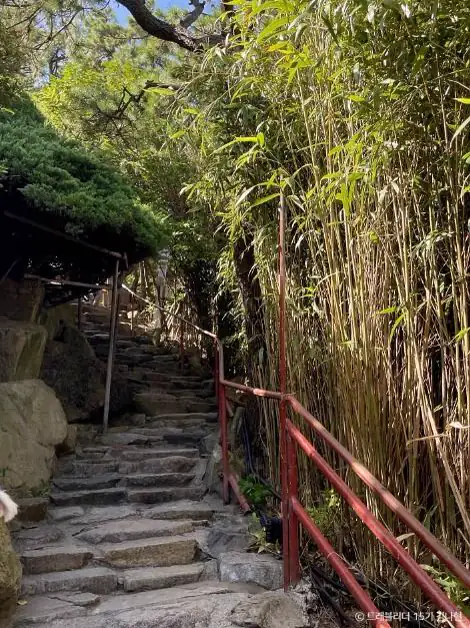
Choose a bus route from your base
From Haeundae Station on Line 2, Visit Busan lists Exit 7 and buses 181, 100 or Haeundae 9 to the temple. From Osiria Station on the Donghae Line, Exit 1 connects with bus 139. Check the stop, direction and live timetable on the day; routes can be adjusted.
Starting in Seomyeon, Busan Station or Nampo adds a cross-city transfer before the temple. Keep the temple as the main stop for that part of the day rather than squeezing it between west-Busan sights. Sunrise is a draw, but the sunrise time changes by date and the first useful bus may not match it; verify both before choosing an early start.
Pair it with one nearby plan
After the visit, choose a meal or one East Busan stop that fits the return route. The temple’s visitor page and city access listing are useful for checking same-day details.